
Build Robust and Scalable Apps
App Developers Sydney
In a world of short attention spans, every second matters. The app development team from Sydney develops applications which users remember through a combination of innovative design and precise execution.
Here's What We Excel At –
- End-user-focused UI/UX design for frictionless experiences
- Scalable architecture and strategic product scoping
- MVP development to validate ideas faster
- Performance-driven marketing to attract users and investors
Top Mobile App Developers in Sydney
Our mobile app development team builds exceptional products with 10 years of experience and expertise in a complete development process. Our development team executes every project step from strategic planning to product launch to create an application that can grow and operate efficiently in the future.
Mobile Consulting
Expert guidance and insights from our app developers for establishing a rock-solid foundation.

Mobile UX And UI Design
Our UI/UX masters craft aesthetically pleasing designs that take the market by storm and pack great impact.
Mobile App Development
Our extensive breadth of experience enables us to create apps with the latest insights and technology.
Backend Development
SupporSoft Technologies delivers the latest state-of-the-art backend solutions that promise stability.
Mobile App Integration And Testing
Our bespoke and expertly-crafted support maintenance plans make sure your app works flawlessly 24/7.
Maintenance And Support
We provide expert maintenance and support to keep your app running smoothly and efficiently.
Trusted Brands Trust Us












Have more questions?
Drop us a note and we'll get back to you soon

Your App Idea. Our Expertise.
SupportSoft is a top-rated mobile application development company in Sydney. We create engaging, high-performance mobile applications for iOS and Android. We understand what mobile apps need to succeed in the market and build apps that will help you to stand out in the market. Schedule a free discovery session with one of our expert App Creators Sydney and take your first step to app success.
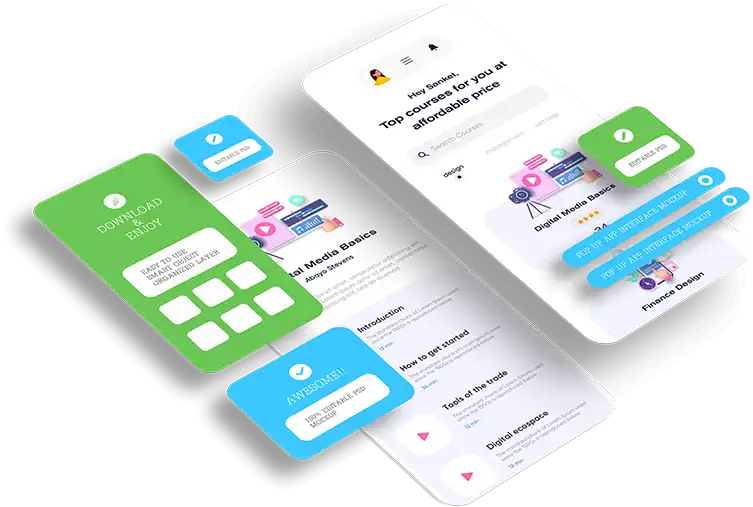
End-to-End Mobile App Development Services
Our goal is to develop amazing mobile applications with the following attributes: quality, scalability, and performance that develop a lasting impression on our customers.
iOS App Development
We make elegant, efficient iOS applications with a high-quality design, easy-to-use functionality and the best possible experience for Apple users.
Learn more
Android App Development
We create Android applications which can expand your user base while maintaining security throughout the operation on various devices.
Learn more
AI App Development
Intelligent and automated apps, using AI systems to enhance decision-making and present a more intelligent user experience.
Learn more
IoT App Development
IoT solutions that connect devices through the internet and provide real-time access to data, enabling real-time access to devices.
Learn more
PWA Development
The superlative union of web and mobile speeds, dependable reliability, and engaging user experiences drives high-performance progressive web applications.
Learn more
NFC App Development
Custom applications built on NFC technology to create fast, secure, and seamless interactions specific to the individual business's needs.
Learn more
Wearable App Development
Innovative applications are designed to enhance functionality and user engagement and support the next generation of user experiences.
Learn more
Game Development
Innovative, engaging and high-performance game applications for iOS and Android that entertain and engage users in an immersive manner.
Learn moreWhat Is Supportsoft's Process?
SupportSoft maintains an open and purposeful methodology to handle all mobile application development projects in Sydney which range from small to complex projects. The system keeps you updated through all processes by implementing clear communication methods and a structured system which enables smooth progress.
Connect With Us
Our team will be happy to discuss your concept with you and set up an initial consultation.
Project Discussion
We work together with you to develop your app concept while establishing necessary project specifications and deciding on future project steps.
Wireframe Design
Wireframes are designed in a structured way to create a visual representation of the user journey and experience of using the application.
Development Stage
Once the project has entered this phase, your application will take shape as our developers create a quality, scalable product.
Our Latest App Launches
Known as one of the Top-Rated App Developers in Sydney, we deliver high-performing mobile apps in a rush that can drive your business worldwide.
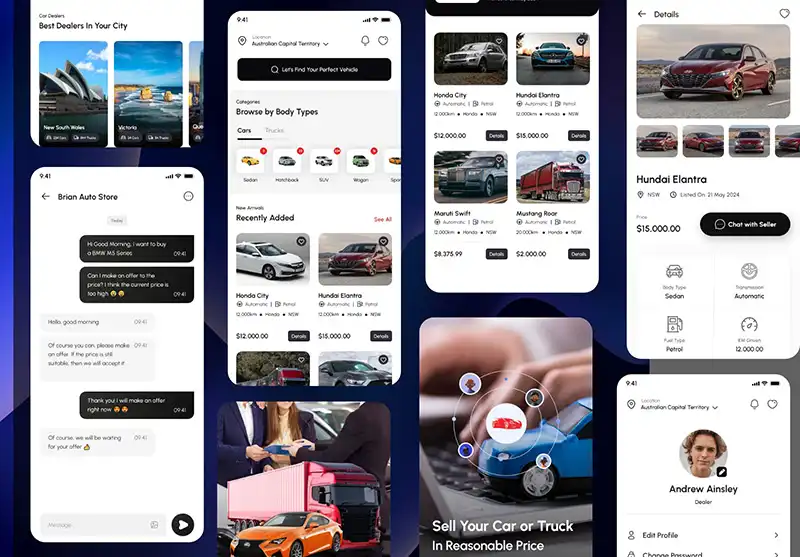

Car Truck Sale
At Car Truck Sales, whether you're looking for a dream car or you’re selling your truck, they strive to make...
Service Provider App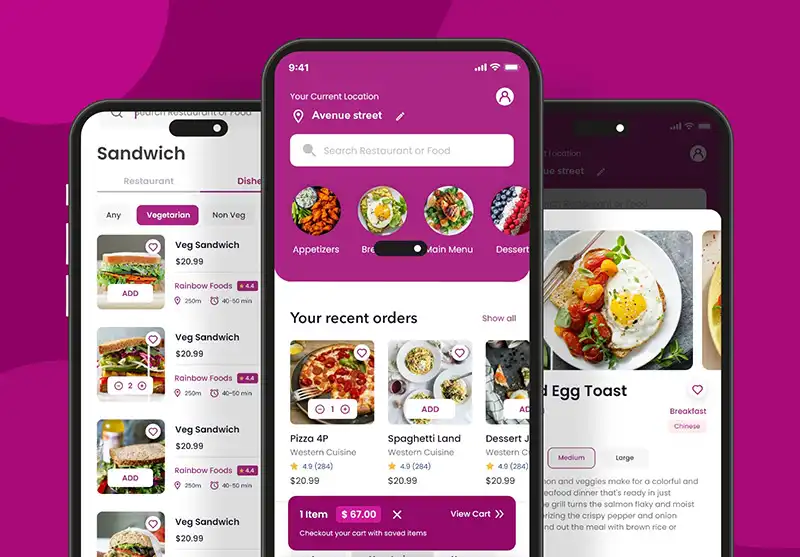

Schrood Food App
Whether it's contributing to the growth of restaurants or making it easier for people to enjoy their favourite meals, our...
Food Ordering App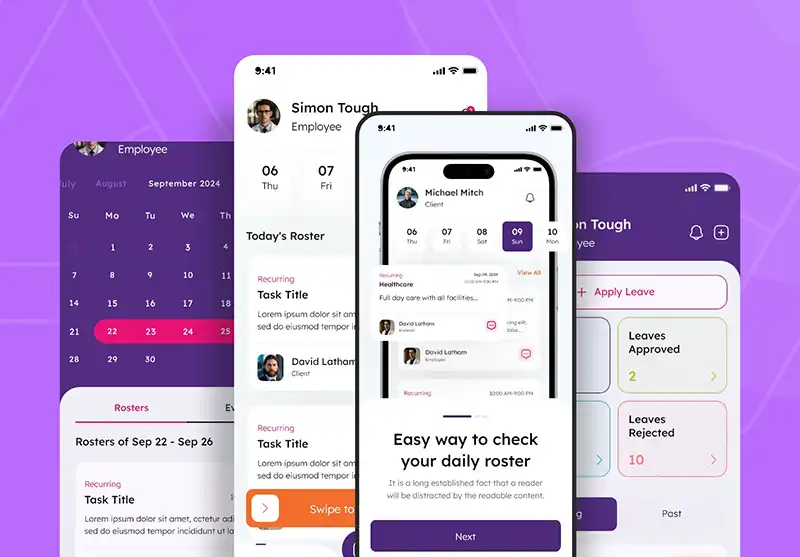

Bloom
Bloom is a smart, time-tracking and scheduling app that can help you simplify workflow, improve attendance management, and increase your...
Workflow Management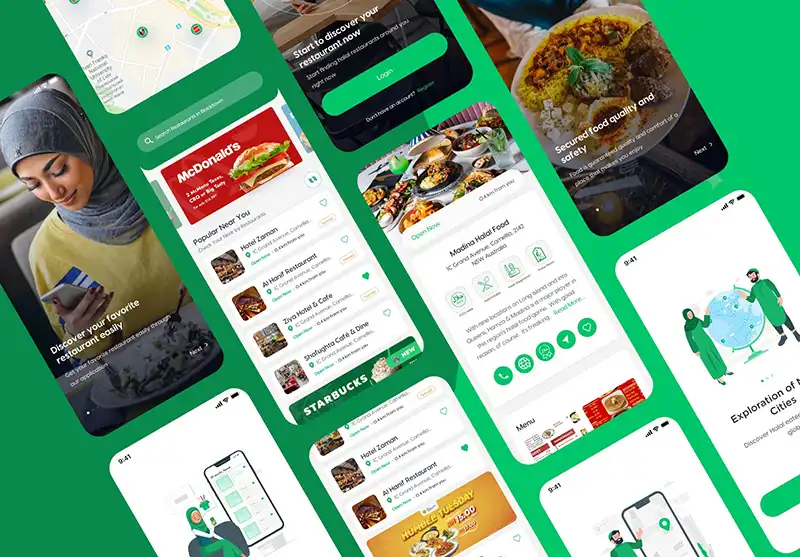

Halal
Halal Food Finder makes it easy for Muslims to discover authentic and delicious halal food without the stress. With just...
Service Provider App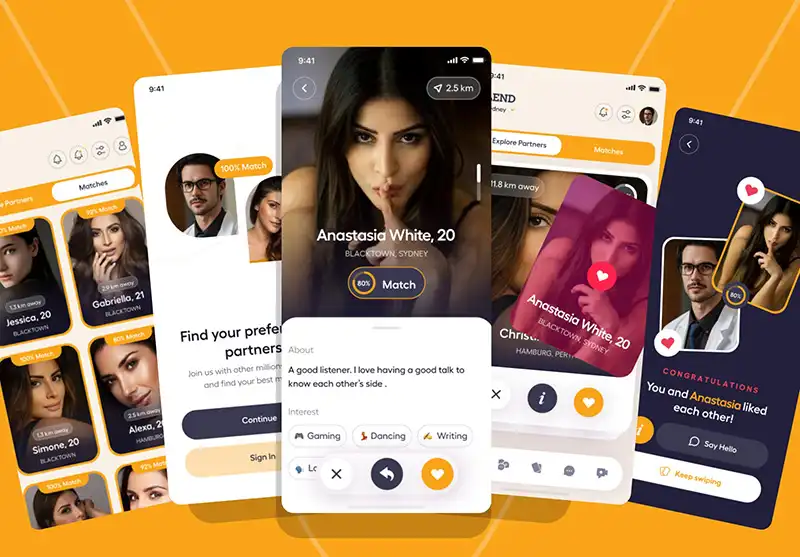
Blend dating app
Blend is your modern gateway to make real connections, whether you are looking for love, companionship, or simply hoping to...
Dating App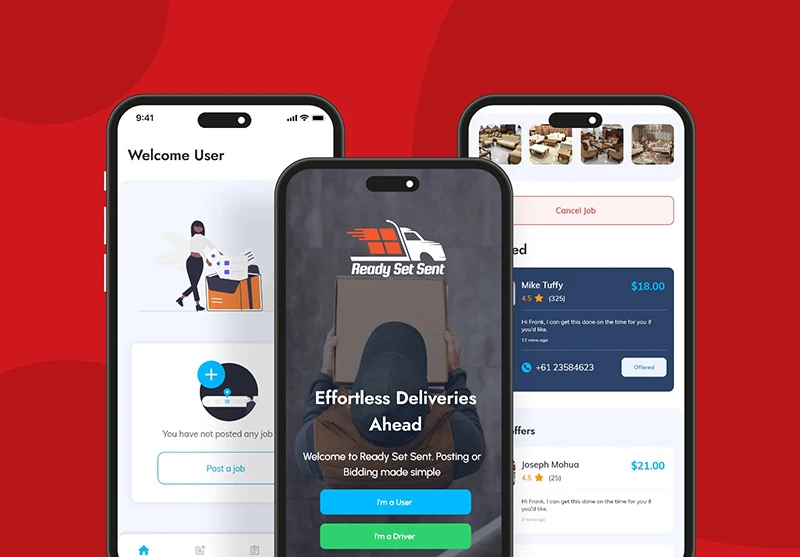

Ready Set Sent
Ready Set Sent is here to uphold the way deliveries are done and transport anything anywhere. Whether it is a...
Service Provider App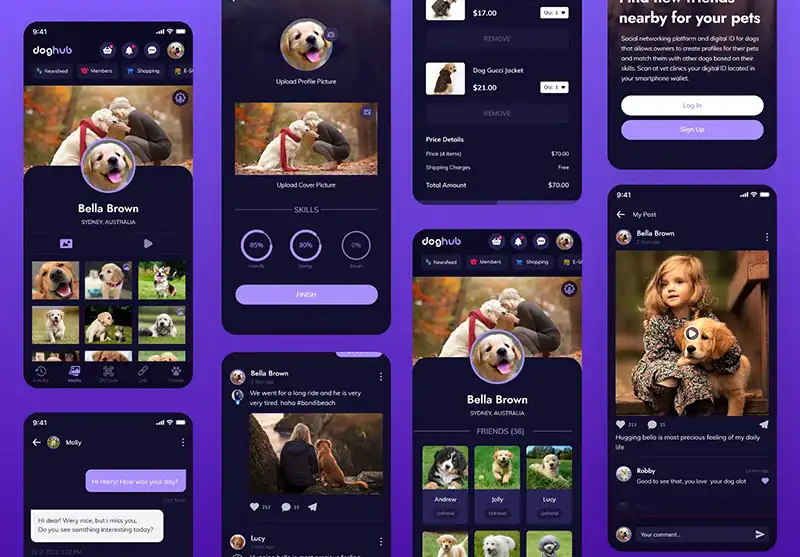

Doghub
If you are a loving pet parent or just looking to adopt a furry friend, you are on the right...
Pet Social Media & Care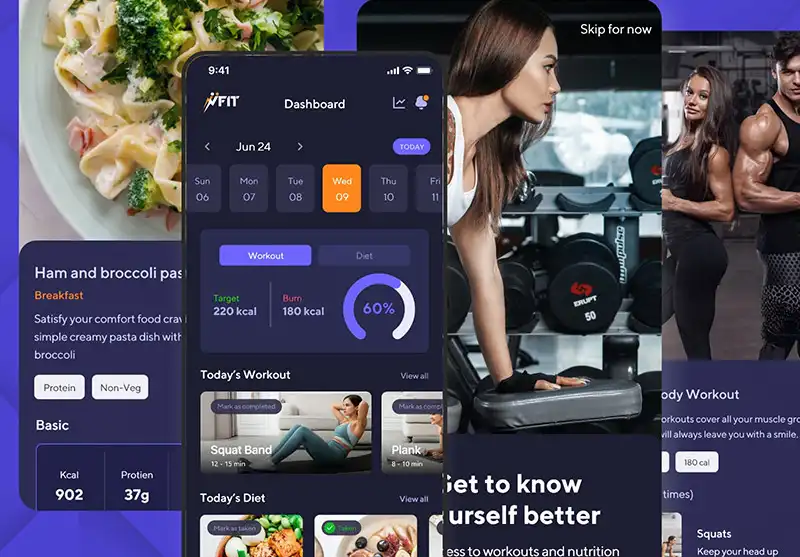

Fuel Inspire transformation
Whether you are looking for an app that supports you to build strength, increase energy, lose weight or simply feel...
Fitness AppHave a project? Let's talk.
To turn your idea into a scalable, high-impact digital product, come and partner with the leading app developers in Sydney.
Our Technology Stack For App Development
Our team of App Developers in Sydney has a deep understanding of the industry's leading technologies across native iOS and Android, cross-platform and Progressive Web Applications.
iOS App Development
SupportSoft provides custom-developed apps with the use of reliable tools and technologies. Each app is created to match your specific requirements, which ensures a great user experience (UX).
Swift
Swift UI

Objective C

CocoaPods

SQLLite

Coredata

Firebase
Fastlane

Sonarqube

CocoaTouch

GraphQL
Package Manager
Android App Development
With extensive experience creating Android applications, we utilise multiple technologies and frameworks to provide your enterprise with an application that is scalable and dependable and customised to your particular business model.

Kotlin

Java

Room

Coroutines
Fastlane

Dagger
GraphQL
Firebase
SQLLite

Jetpack
Hybrid App Development
Our Sydney app development team brings extensive experience in hybrid app development, delivering flexible and efficient solutions across diverse industries using the most suitable technology stack.

Flutter

Dart

Bloc

Riverpod
Fastlane

Mason CLI
SQLLite
Firebase
GraphQL
Progressive Web App Development
Using state-of-the-art processes, we design and build high-speed progressive web applications that incorporate both web- and mobile-based benefits, allowing you to attain low-cost, high-performing mobile applications.

ReactJS

Nextjs
Redux

VueJS
NodeJS

Express

NestJS

Sass

Docker

Firestore

DynamoDB

MongoDB
Our App Development Process
To develop and deliver premium quality responsive mobile apps, Supportsoft Technologies customizes the Mobile App Development in Sydney.
Research
Our team will conduct an extensive research on your business requirements
Designing
We will create impactful UI and UX for your mobile app before heading to development
Building
With the finalized wireframes our coders will start turning your idea into a breathing reality.
Deploy
After receiving the green signal from our QA team, your app will proceed towards the launch.
Frequently Asked Questions
Find below the detailed answers to the most frequently asked questions concerning mobile app development services in Sydney.

SupportSoft Technologies provides businesses with complete digital solutions which include mobile application development, custom software development, web development services, UI/UX design solutions, and digital marketing services to help them build an online presence.
SupportSoft demonstrates its unique value through its open development method and its strategic business model and its dedication to creating scalable solutions that deliver high performance. The team uses its more than 10 years of experience and its dedication to innovation to develop products that create enduring success for businesses.
SupportSoft provides custom solutions to startups and enterprises and government organisations which match your specific needs and business objectives and operational requirements.
The structured and collaborative methodology, which includes the phases of Initiate, Plan, Execute, Monitor and Close, enables us to manage our projects through identical procedures which handle the strategic design and development and testing processes required to create reliable and scalable products that utilise the latest technological advancements.
The development process will protect my idea from unauthorised access. SupportSoft uses NDA (non-disclosure agreement) protection to create security measures which safeguard your project discussions and protect your ideas and business information.
We create native and cross-platform-based software solutions through modern technology and development frameworks. By going through an extensive set of tests prior to launching the app, we ensure your app is scalable, your app is secure, and your app complies with current standards of the industry.
What Our Clients Say About Us
We are all about exceptional customer service, but don't just trust our words — trust what our valued clients say about us.


Alison Nancye
Founder | WOWI'm genuinely grateful for everyone at Supportsoft Technologies - we've built a foundational working relationship now that is ongoing and I know we will build on what we learned and keep advancing.

Silverline Medical
CompanyThe Skill level in being able to deliver a complicated health APP. Also, they were good, honest people to work with and very trustworthy.


Larissa Torres
Director | ShareseatWe were impressed with their excellent communication. My account manager and project manager are available almost whenever needed. End result looks far better than what I can think of.

Karen Brown
Founder | BloomI recently had the pleasure to work with support soft technology- app developers. I would happily give them 5 stars. My app is in the disability sector called bloom roster care. It's a personalised shift rostering system.
John Walker
CEO | ClublandSupportsoft technologies developed the platform for our company, Clubland Services. From the first discussions, Rob and Sandeep were a wealth of information, guiding us on many decisions including design, functionality and layout.

Neale Chandler
Manager | SchroodI am the Owner of Schrood food delivery App. These guys are impressively genuine, helpful, and technically skilled
Get in touch
Reach out to us for your requirements and endeavor your journey to digital excellence with the right team. Our team will also help you create a lucrative MVP for attracting investors to your venture.
Chat with us
Our support will help you from 9 AM to 5 PM AEDT.