
 Mobile App Development
 Software Development
 AI Solutions & Automation
 AI & IoT Solutions
 Web Development
 Cyber Security
Devices Collect
Data
Connected sensors capture readings such as temperature, vibration, location or equipment status.
Supportsoft develops custom IoT software for Sydney businesses that need to connect devices, collect real-time data and improve operational visibility. From connected-device applications and monitoring dashboards to sensor integration and business system connectivity, we help turn device data into practical business solutions.
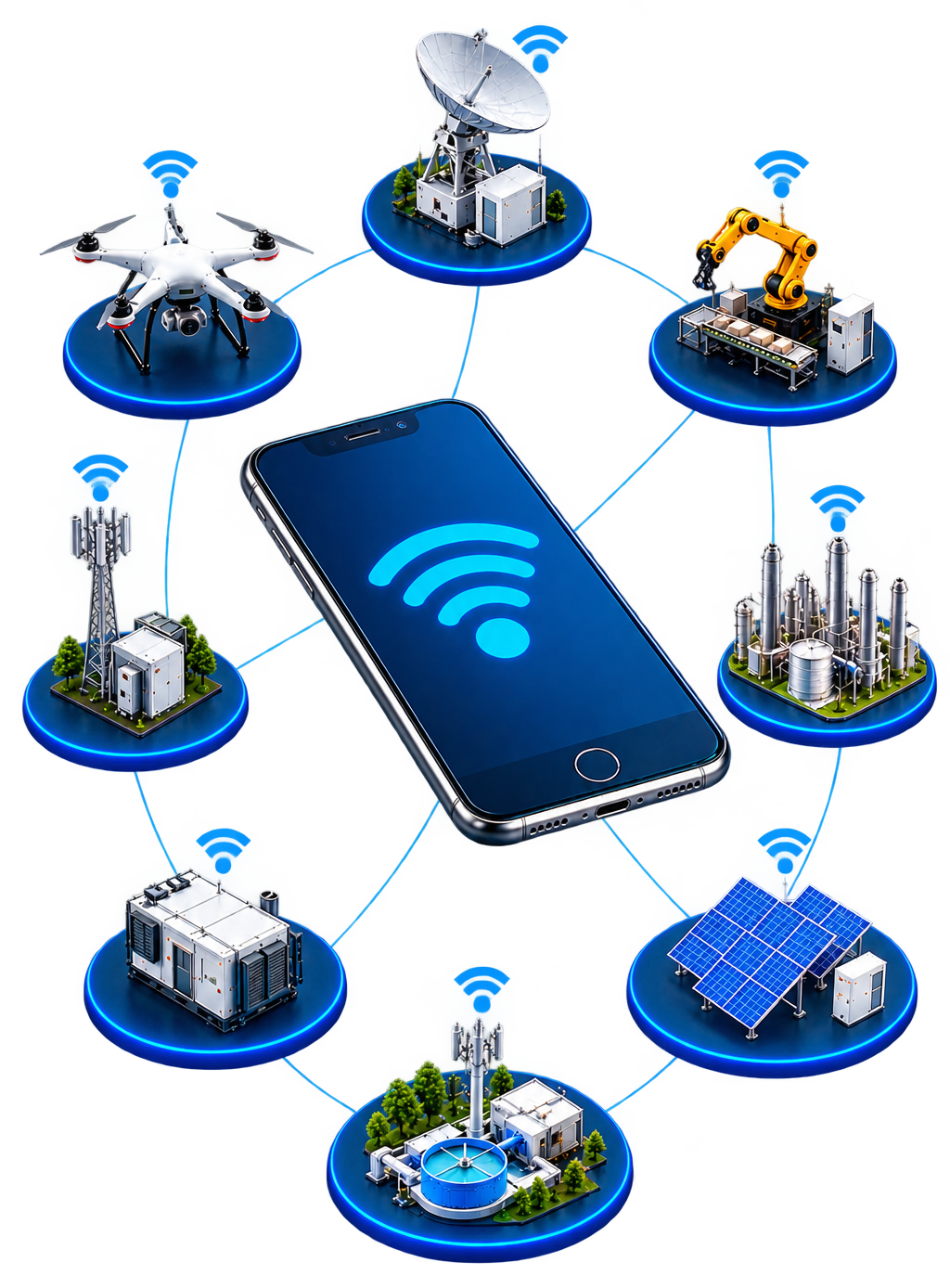
IoT solutions connect sensors, equipment, software and business systems so organisations can see what is happening across their operations. Instead of relying on disconnected data or manual checks, teams can access timely information to make better-informed decisions.
Supportsoft develops custom IoT software for businesses in Sydney, including connected-device applications, monitoring dashboards and system integrations. We bring device data into useful interfaces and workflows designed around your operational requirements.
Whether you’re building a new connected product or modernising an existing process, the goal is to make data easier to access, equipment easier to monitor and business workflows easier to manage.
Sensors and connected equipment collect data such as temperature, machine status, movement or environmental conditions. The right setup depends on what your business needs to measure or monitor.
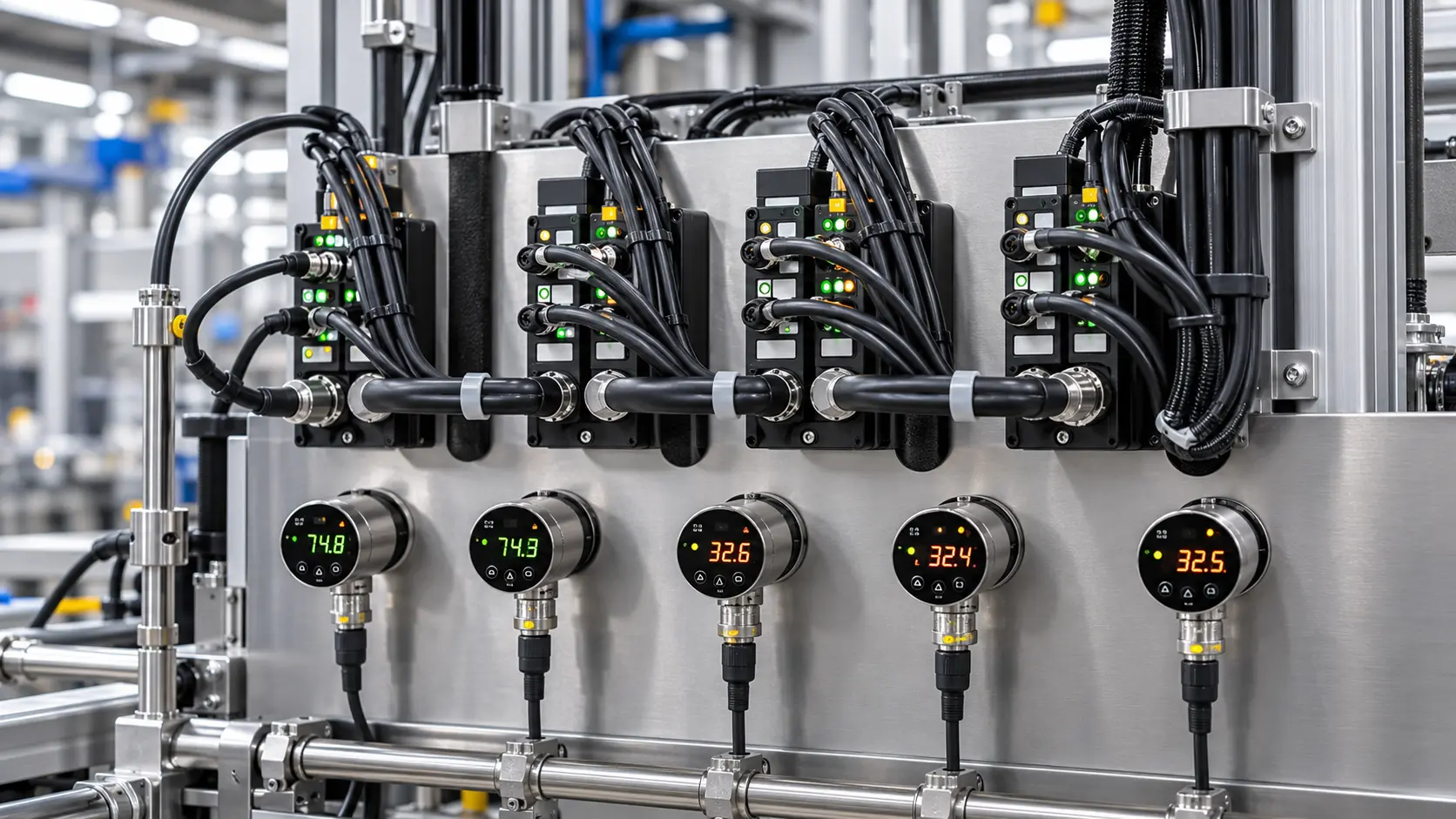
Devices send data through suitable networks, gateways and communication protocols. IoT integration connects that data to the software and systems that need to receive it.
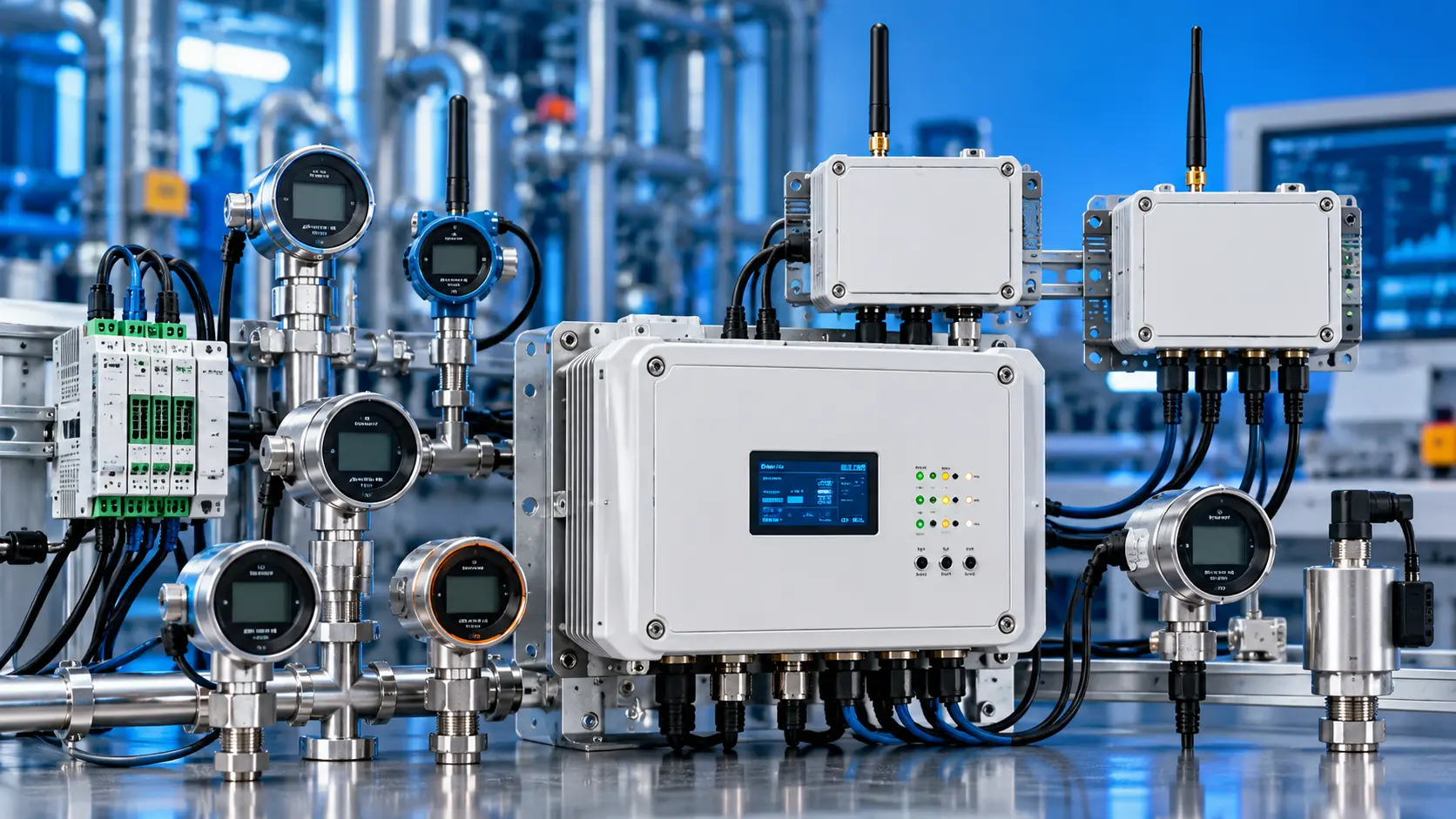
Backend software receives, processes and stores device data. It can manage access, apply business rules and support alerts, reporting and integrations with existing systems.
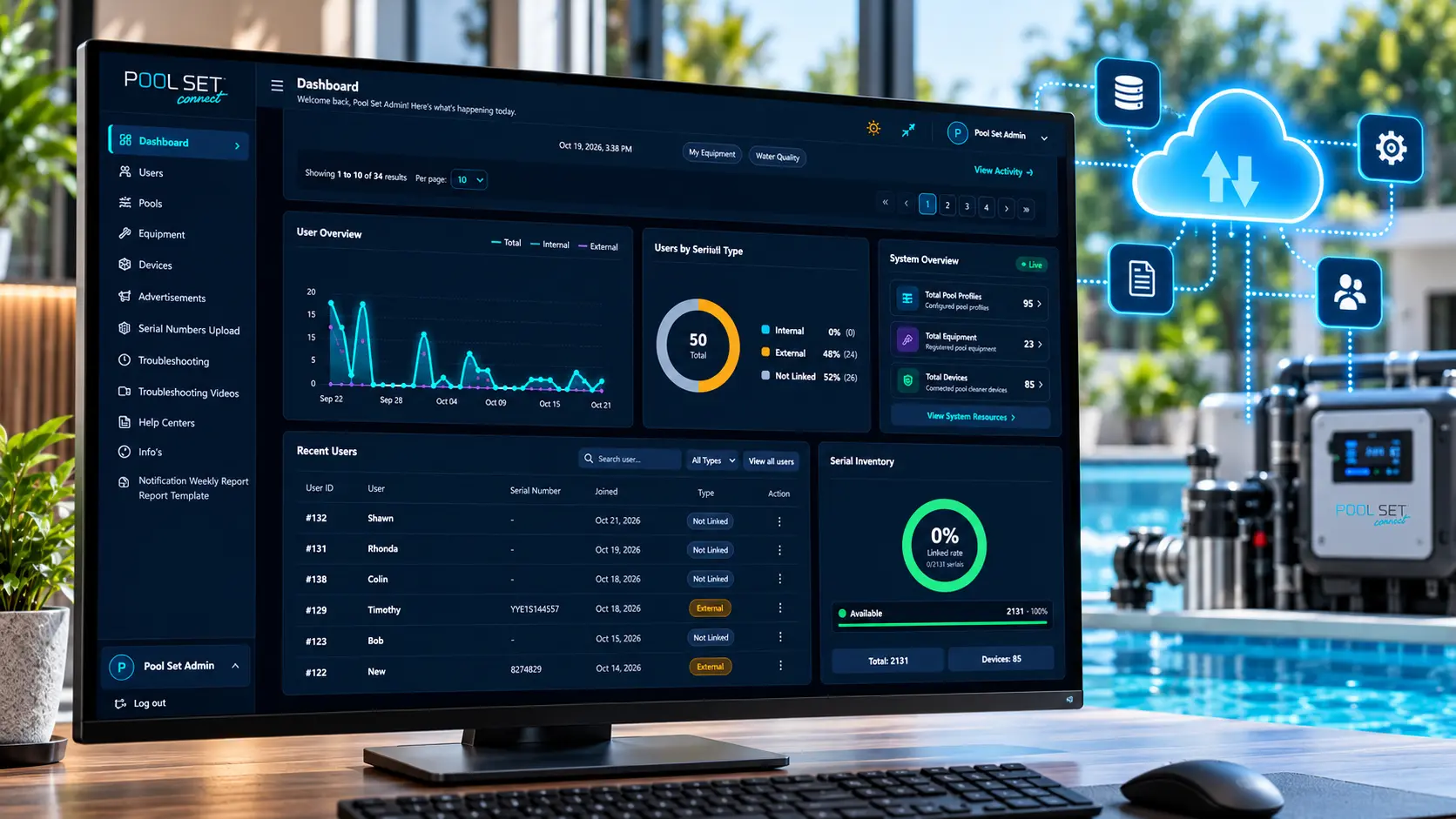
Web and mobile applications turn device data into readable dashboards, status updates and alerts. Teams can review conditions, identify changes and make decisions using information relevant to their operations.
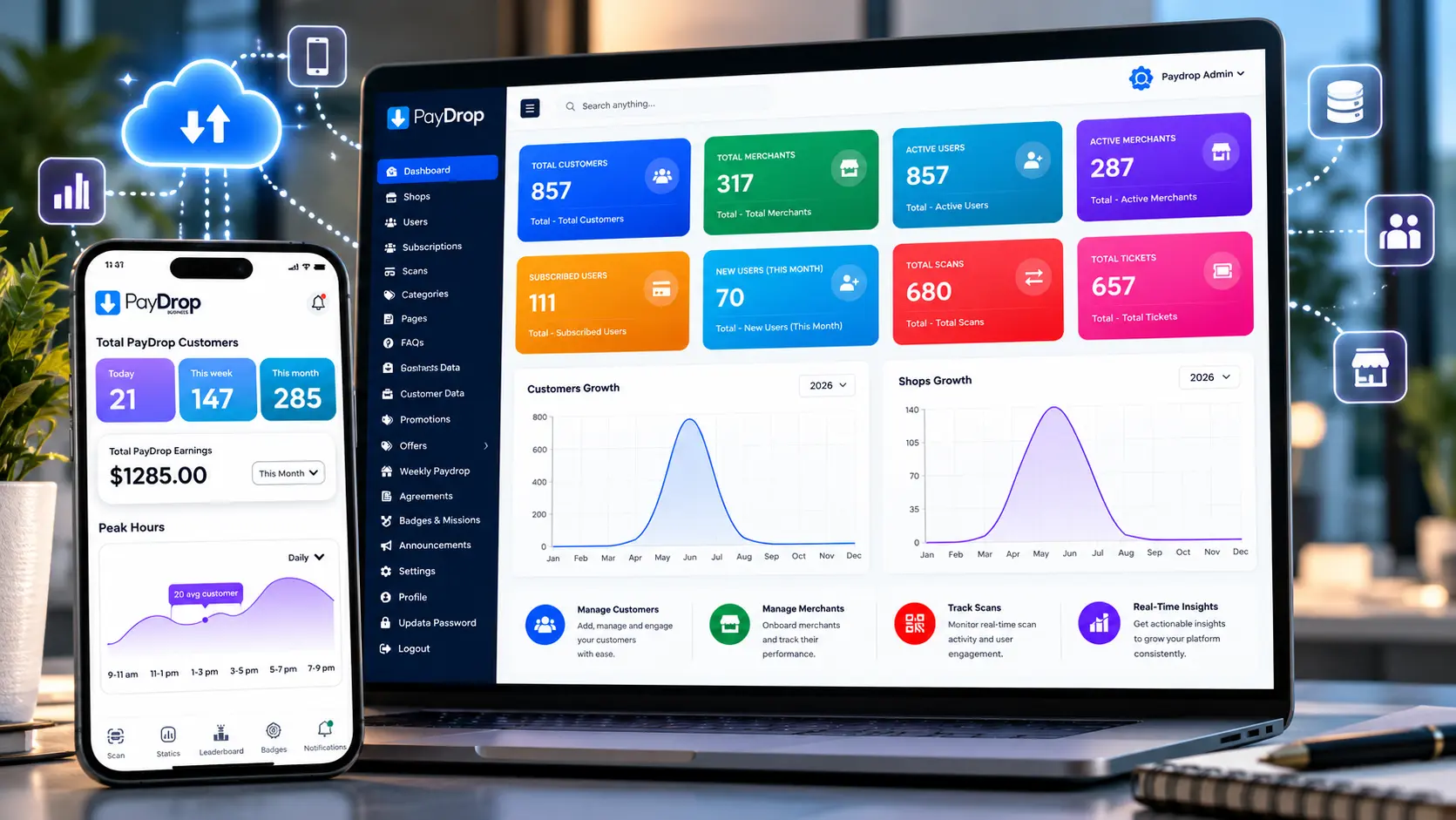
We build connected software solutions around your business requirements, from device integration and IoT applications to monitoring dashboards and backend platforms. Whether you're developing a new connected product or improving an existing system, we help identify the right components for your project.
Need to connect devices, collect operational data or build a solution around a specific business process? Supportsoft develops custom IoT software that brings device data, backend services and business workflows together. For Sydney businesses, each solution can be scoped around existing infrastructure, project requirements and future growth plans.
When equipment data is spread across machines or systems, it can be difficult to understand what is happening. Custom IoT dashboards bring relevant readings, equipment status, trends and monitoring information into one interface, helping teams review conditions and identify changes without relying entirely on manual checks.
Connecting devices to software involves more than transferring data. The solution must account for device interfaces, communication methods, gateways and the applications that use the information. Supportsoft can scope IoT integration around your project requirements, including connections between compatible devices, applications and existing business systems.
Connected solutions need software to receive device data, process events and make information available to applications. An IoT backend can support data storage, device records, user access, application logic and system integrations, with the architecture planned around expected data volumes, reliability requirements and future expansion.
Need to check equipment or connected-device status from a phone? A custom IoT mobile app can present device data, status updates and relevant alerts through an interface designed around your users. The application scope can be tailored to the connected devices, backend services and workflows your business needs to support.
Connected devices need embedded software to read sensors, control components and communicate with other systems. Firmware development can support device behaviour, hardware interfaces, power management and data transmission, helping your connected product operate according to its technical requirements.
Developing a connected product may require custom electronics before the software can work with the device. PCB design and hardware prototyping help define component requirements, board layouts and the physical foundation for device connectivity. The scope depends on your product specifications, engineering requirements and validation needs.
Raw device readings become more useful when they help answer a business question. IoT analytics can organise trends, highlight unusual readings and support operational reporting. Where project requirements call for it, edge processing can handle selected data closer to the device, helping inform decisions about connectivity, responsiveness and data processing.
IoT solutions help businesses connect equipment, collect real-time data and monitor operations more effectively. From remote equipment monitoring to connected products and asset tracking, the right solution depends on what you need to measure, the decisions you need to make and how the data will be used.

Monitor equipment status and sensor readings without relying entirely on manual inspections. A custom IoT monitoring solution can bring machine data into a central dashboard and help teams identify unusual readings, review operating conditions and respond when attention is needed.
Equipment status monitoring · Sensor data collection · Configurable alerts
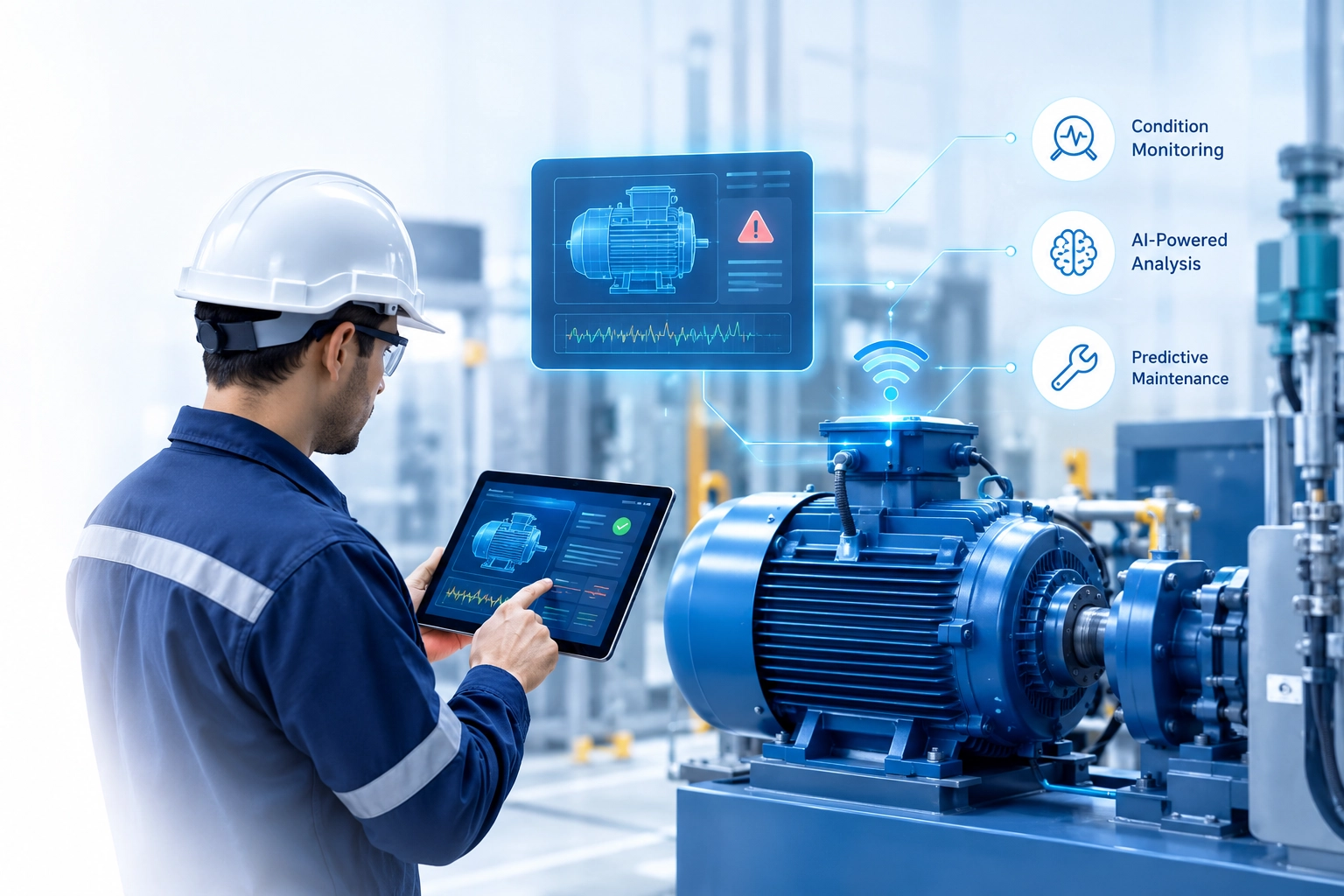
Use equipment data and historical trends to help identify patterns that may indicate developing faults. IoT monitoring can support condition-based maintenance by making relevant changes easier to spot, helping maintenance teams investigate potential issues before deciding what action to take.
Condition monitoring · Historical trend analysis · Maintenance alerts
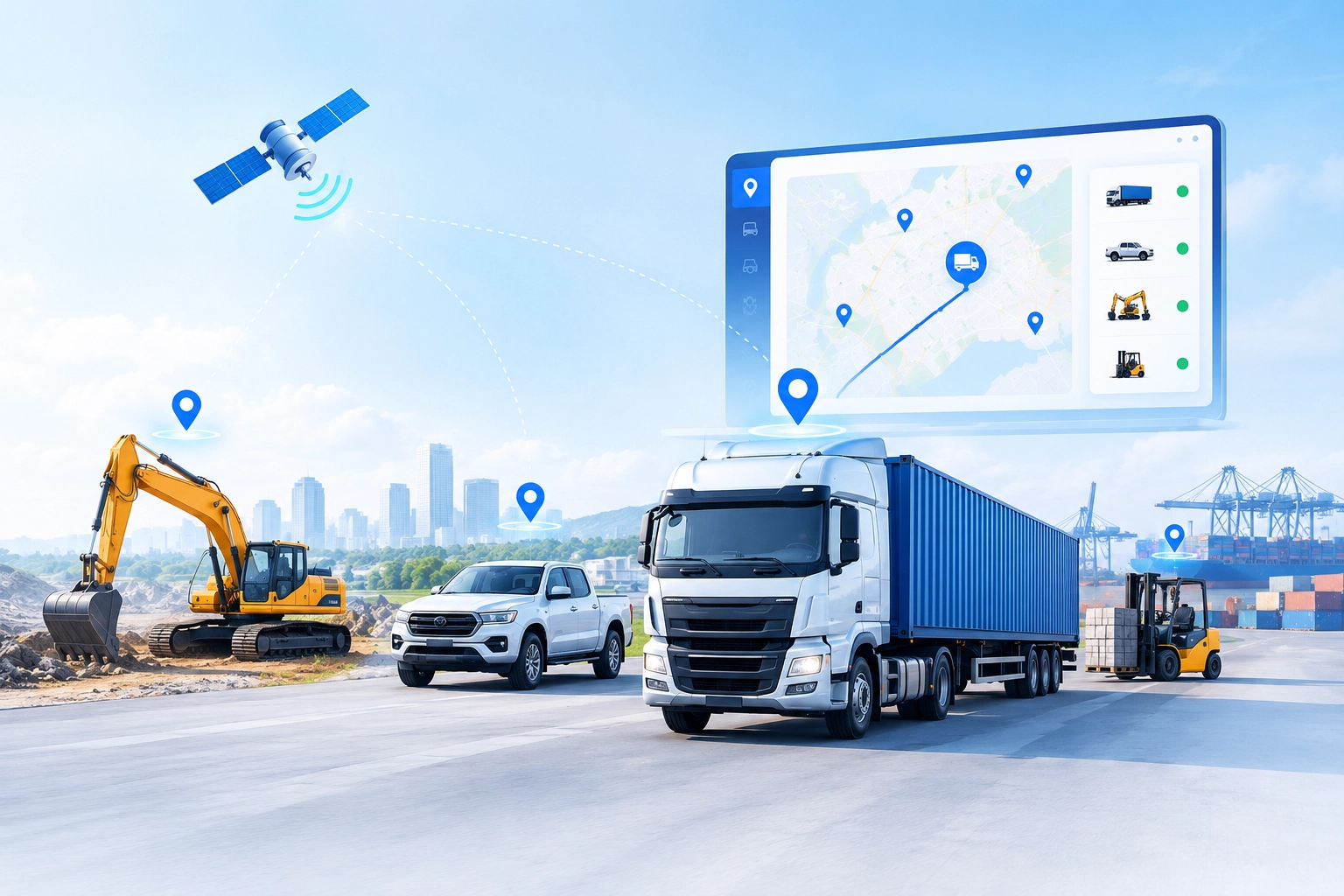
Improve visibility into the location and status of vehicles, equipment and other mobile assets. Depending on the tracking technology and available device data, an IoT solution can help businesses review asset movements, monitor selected conditions and bring tracking information into a central interface.
Location visibility · Asset status tracking · Fleet data dashboards
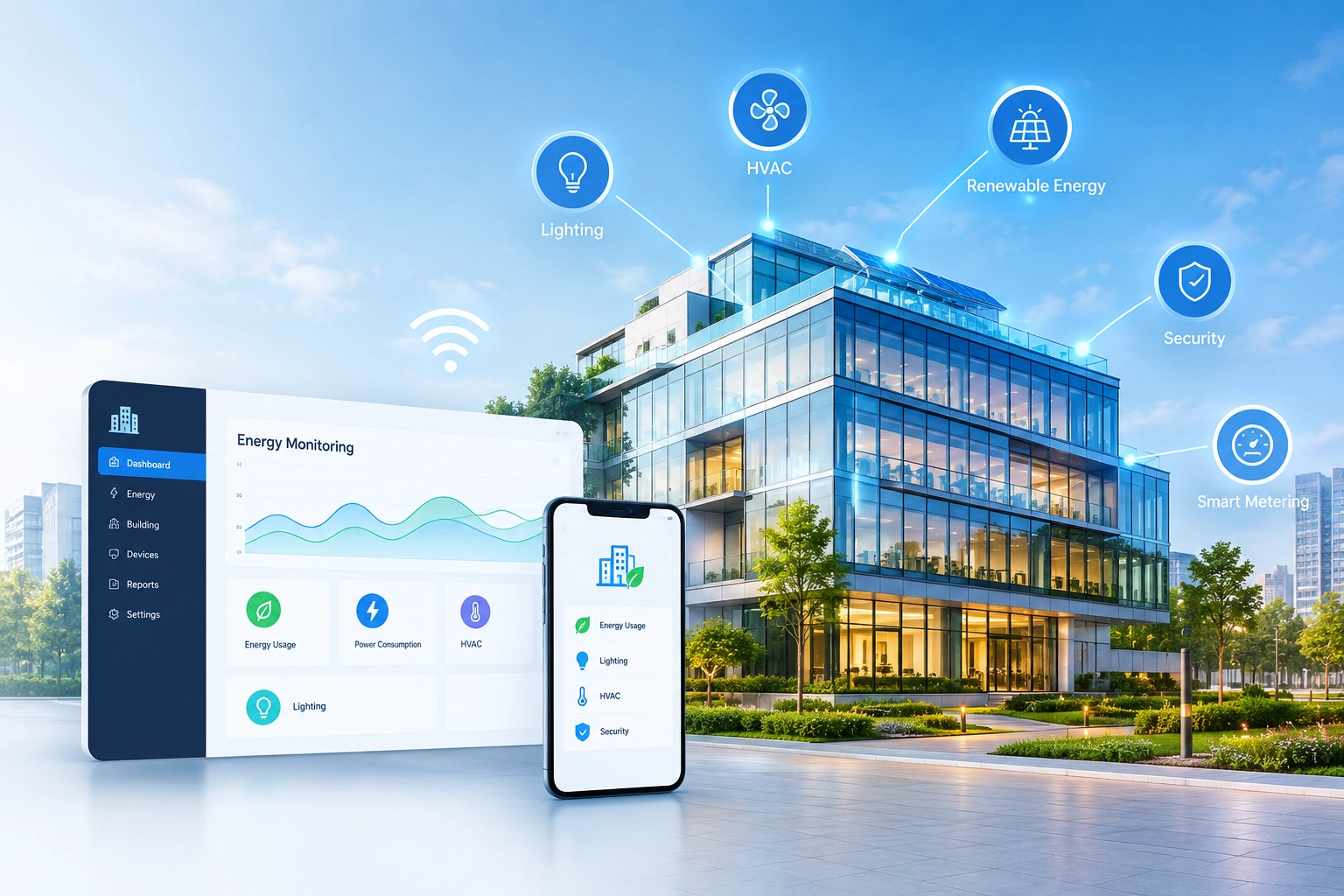
Connect compatible building sensors and monitoring systems to understand conditions such as temperature, occupancy or energy consumption. A tailored IoT dashboard can help facility teams review readings, identify changes and make better-informed decisions about building operations.
Environmental monitoring · Energy usage visibility · Building sensor integration
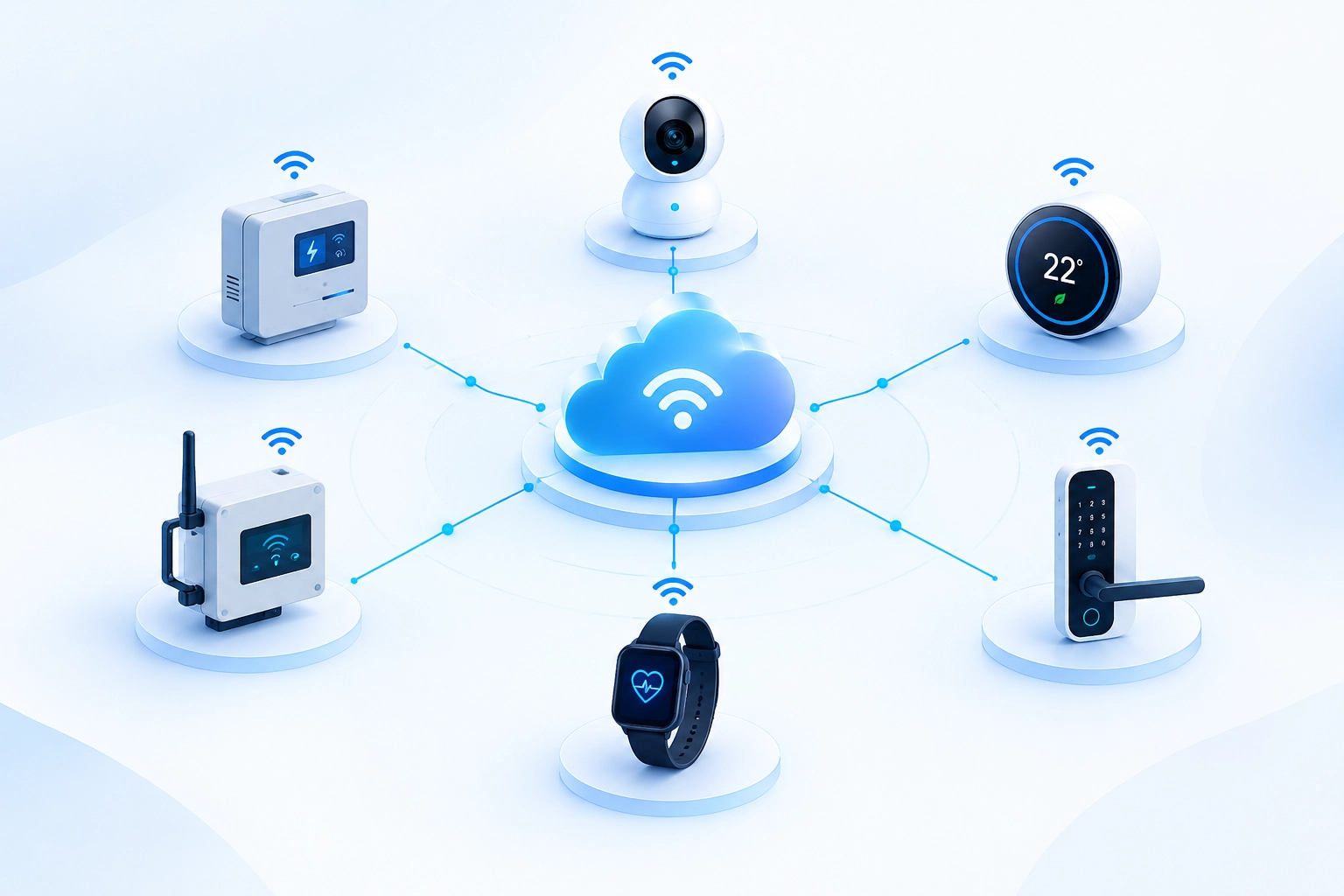
Develop connected products that share data with a mobile application, web interface or backend platform. From smart devices to specialised business equipment, IoT software can help users view device status, access relevant information and interact with connected product features.
Connected device applications · Mobile and web interfaces · Device-to-cloud integration
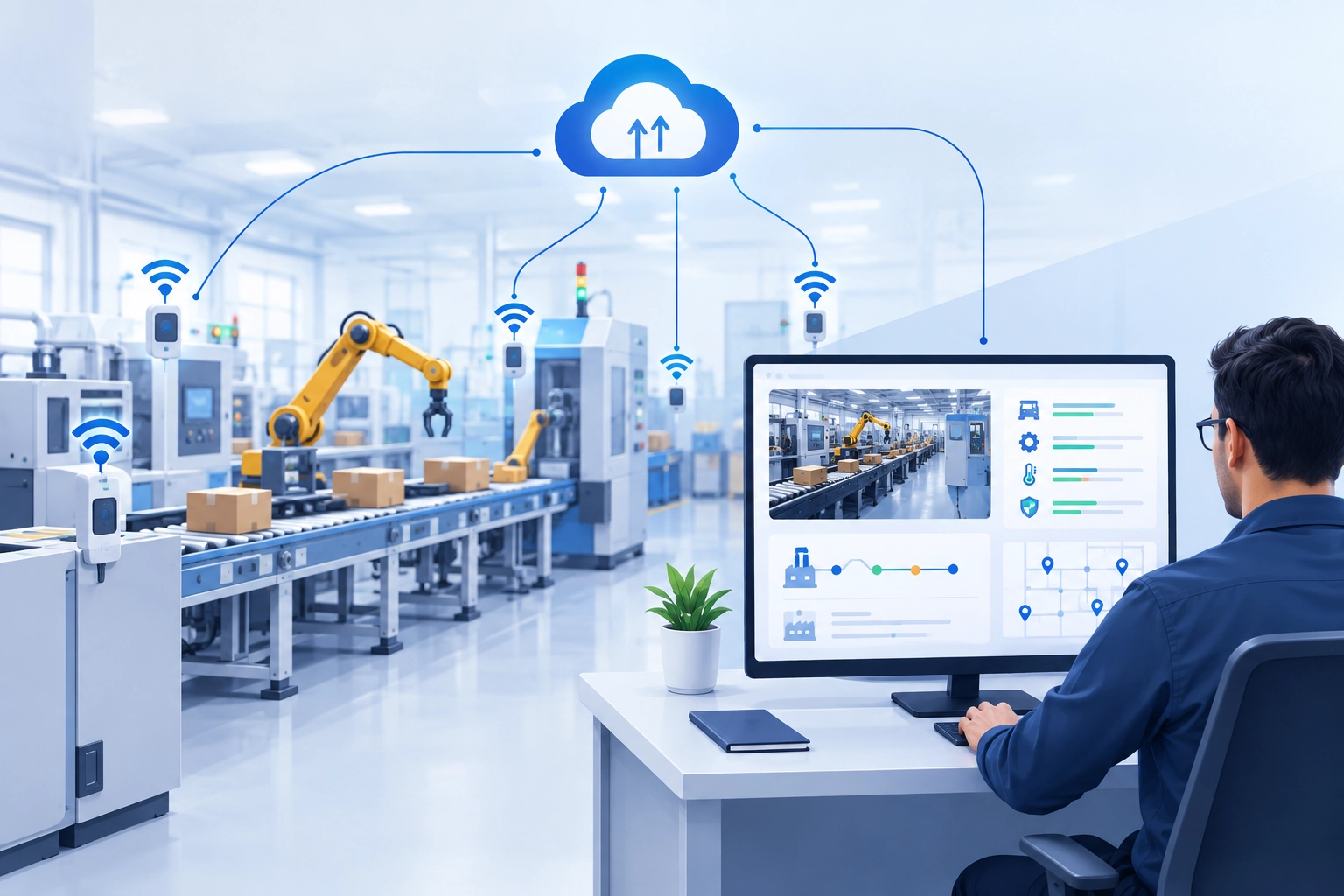
Bring data from compatible machines, sensors and operational systems into a consolidated view of production activity. IoT dashboards can help teams review operating conditions, follow selected performance indicators and identify changes that may require investigation.
Production monitoring · Operational dashboards · Machine data integration
From connected-device applications to remote monitoring and system integration, let’s discuss your requirements and find a practical approach for your business.
Every industry has different operational challenges. Supportsoft develops custom IoT software and connected applications that help businesses make better use of device data, monitor assets and connect information with their existing workflows.
Monitor data from compatible medical equipment and connected devices through centralised interfaces, helping authorised teams review equipment status and identify issues that need attention.
Improve visibility into the location or condition of selected healthcare assets and monitored environments using compatible sensors and tracking technologies.
Support connected healthcare applications that collect and present readings from compatible monitoring devices, with appropriate access controls and integration requirements.
Collect data from compatible machinery and sensors to help production teams review equipment status, operating conditions and changes that may require investigation.
Use equipment readings and historical trends to support maintenance decisions and identify patterns that may warrant further inspection.
Bring selected machine data and operational indicators into dashboards that help teams review production activity and understand equipment performance.
Connect compatible tracking devices and fleet data sources to provide a clearer view of vehicle locations, movements and selected operating conditions.
Improve visibility into movable equipment, containers and other business assets using suitable tracking devices and connected software.
Monitor selected conditions during storage or transportation using compatible sensors, helping teams review readings and identify changes that need attention.
Use connected sensors to collect information about soil moisture, temperature and other relevant growing conditions, supporting more informed farm management decisions.
Connect suitable sensors and irrigation equipment to help monitor field conditions and review information relevant to irrigation planning.
Collect data from compatible agricultural equipment and devices to improve visibility into equipment status and selected field operations.
Collect readings from compatible meters and sensors to help businesses understand energy usage patterns across equipment, facilities or monitored locations.
Connect suitable sensors and monitoring devices to review the status and conditions of distributed infrastructure without relying exclusively on manual inspections.
Bring relevant readings from compatible environmental sensors and utility monitoring devices into a central interface for review and reporting.
Monitor selected indoor conditions using connected sensors, helping facility teams review temperature, humidity, occupancy or other supported measurements.
Connect compatible building systems and equipment data sources to help teams review energy usage, operating conditions and potential areas for investigation.
Bring data from compatible building devices and systems into connected applications that improve operational visibility and support more coordinated facility management.
Explore a connected-device application that brings hardware control, device management and mobile software together. See how IoT applications can help users interact with connected equipment through practical features designed around real-world requirements.
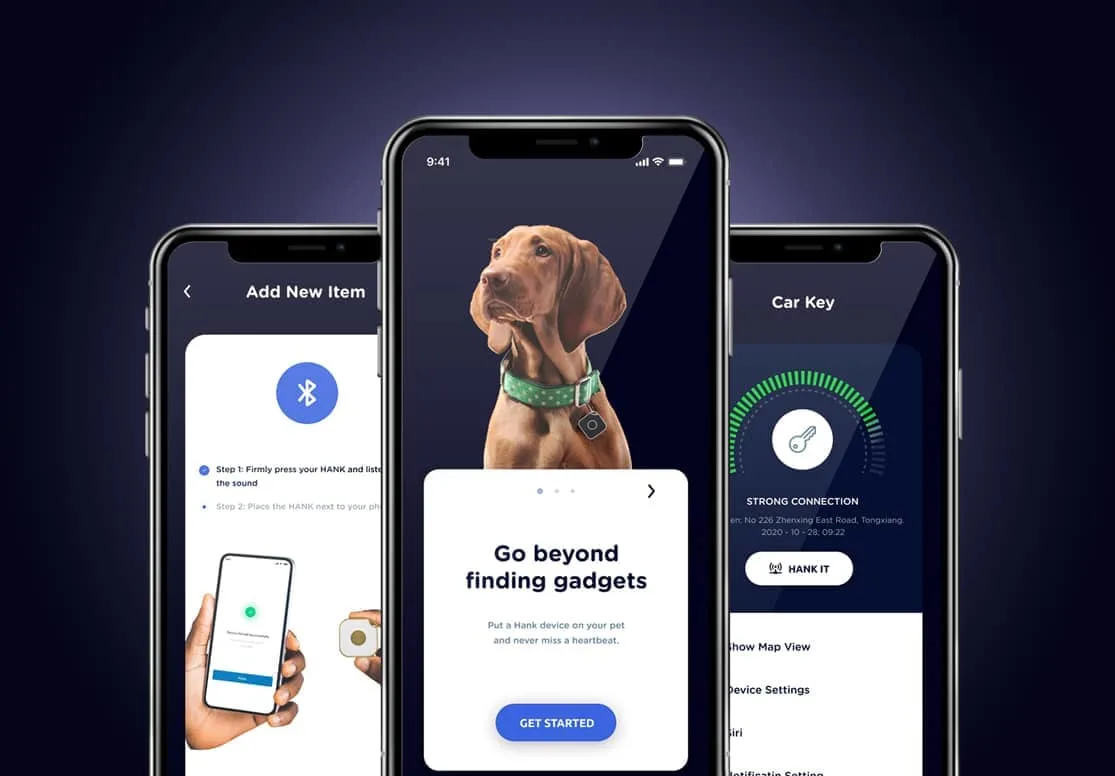
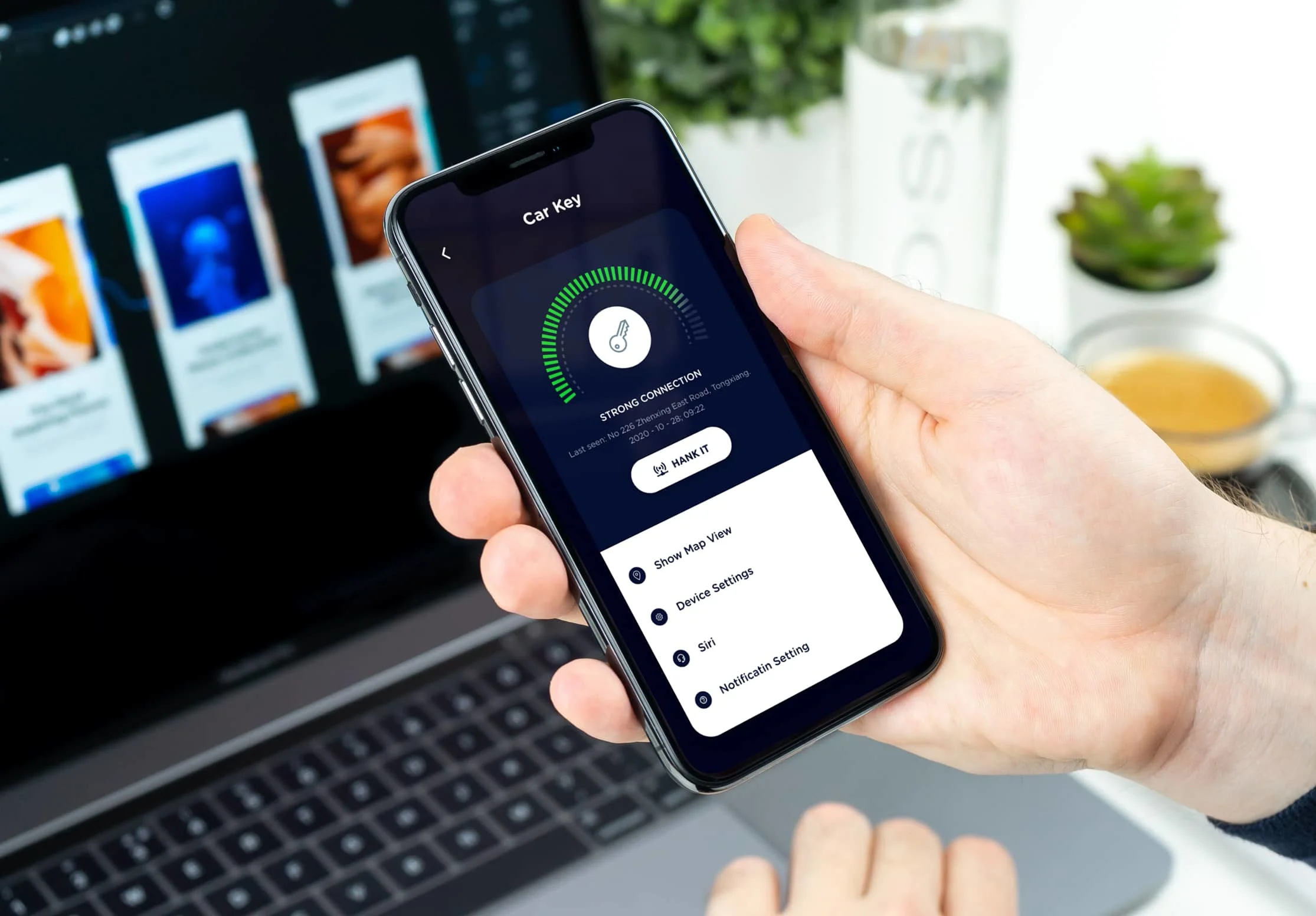
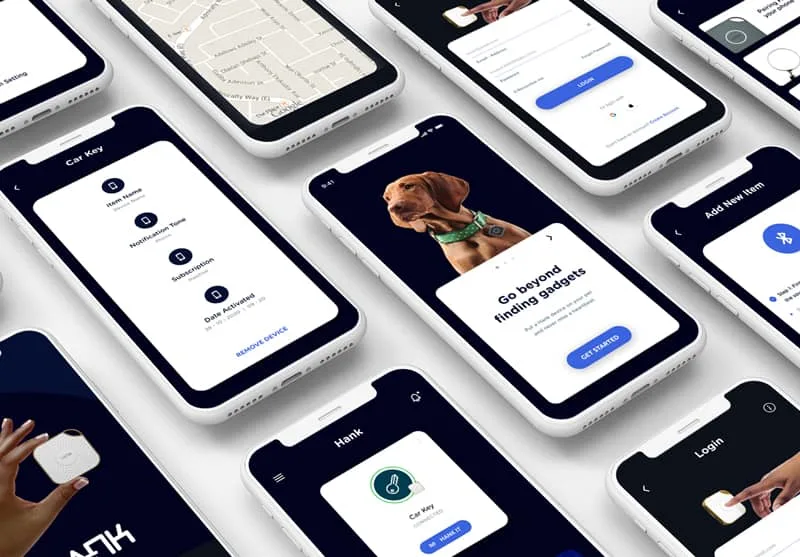
Hank is a smart item tracking application that connects with Bluetooth hardware locator tags and sensors to track lost belongings, signal distance alerts, and ring physical tags.
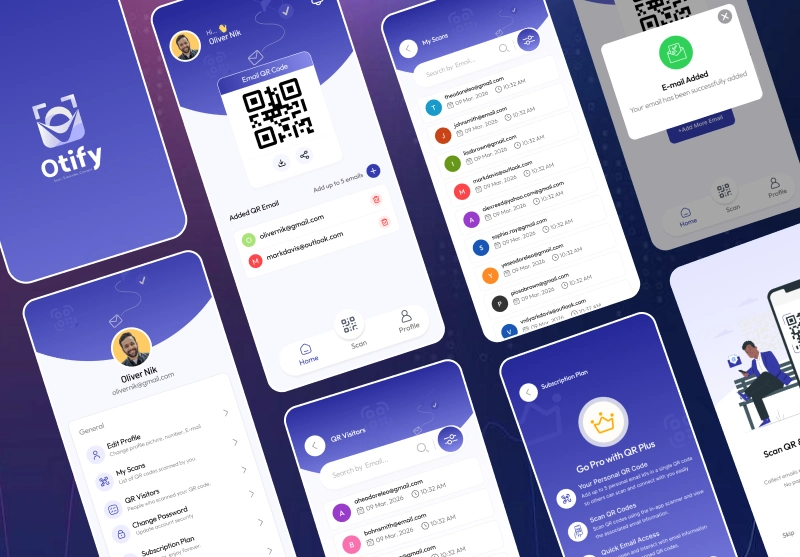
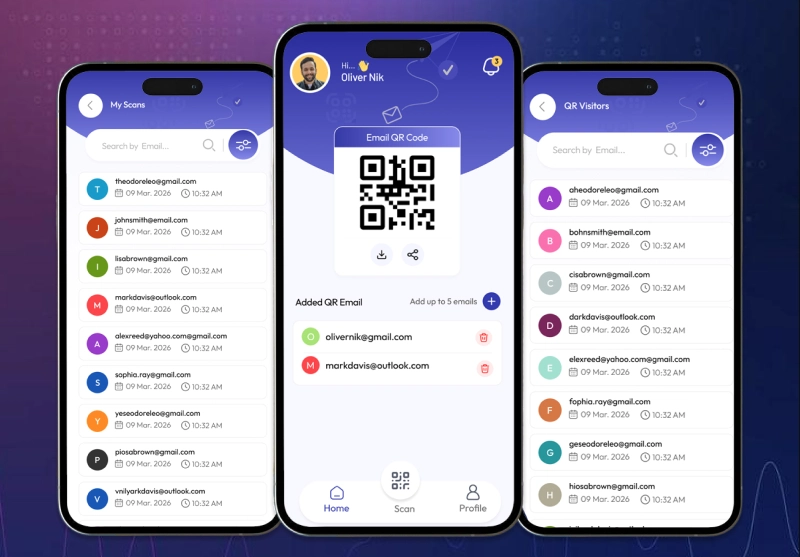
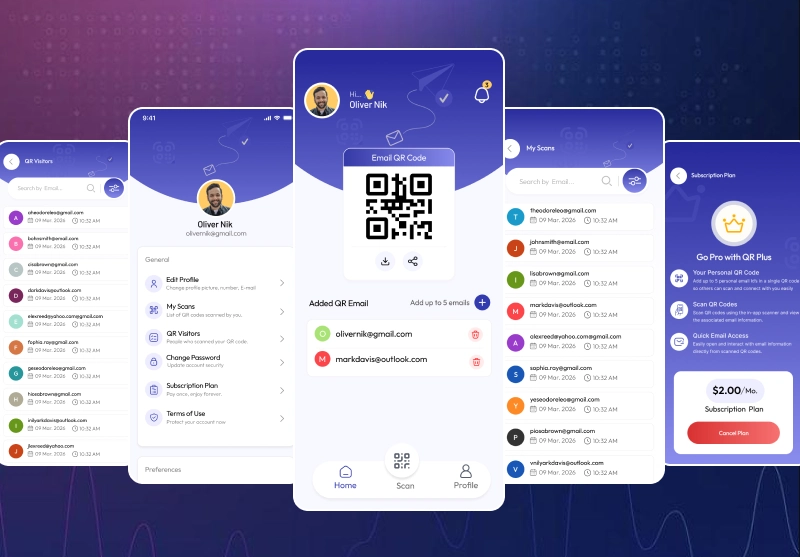
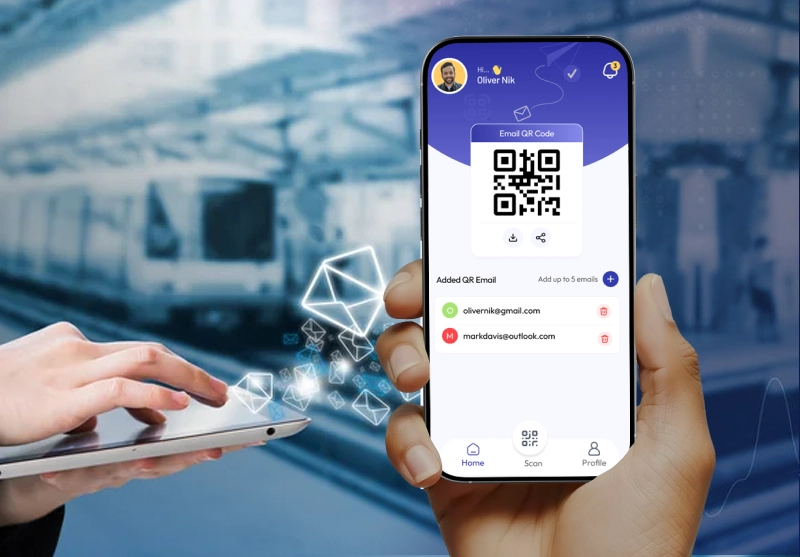
Otify is an IoT asset tracking platform that pairs smart physical QR tags and RFID/Bluetooth beacons to deliver instant asset status, location tracking, and automated workflow triggers.
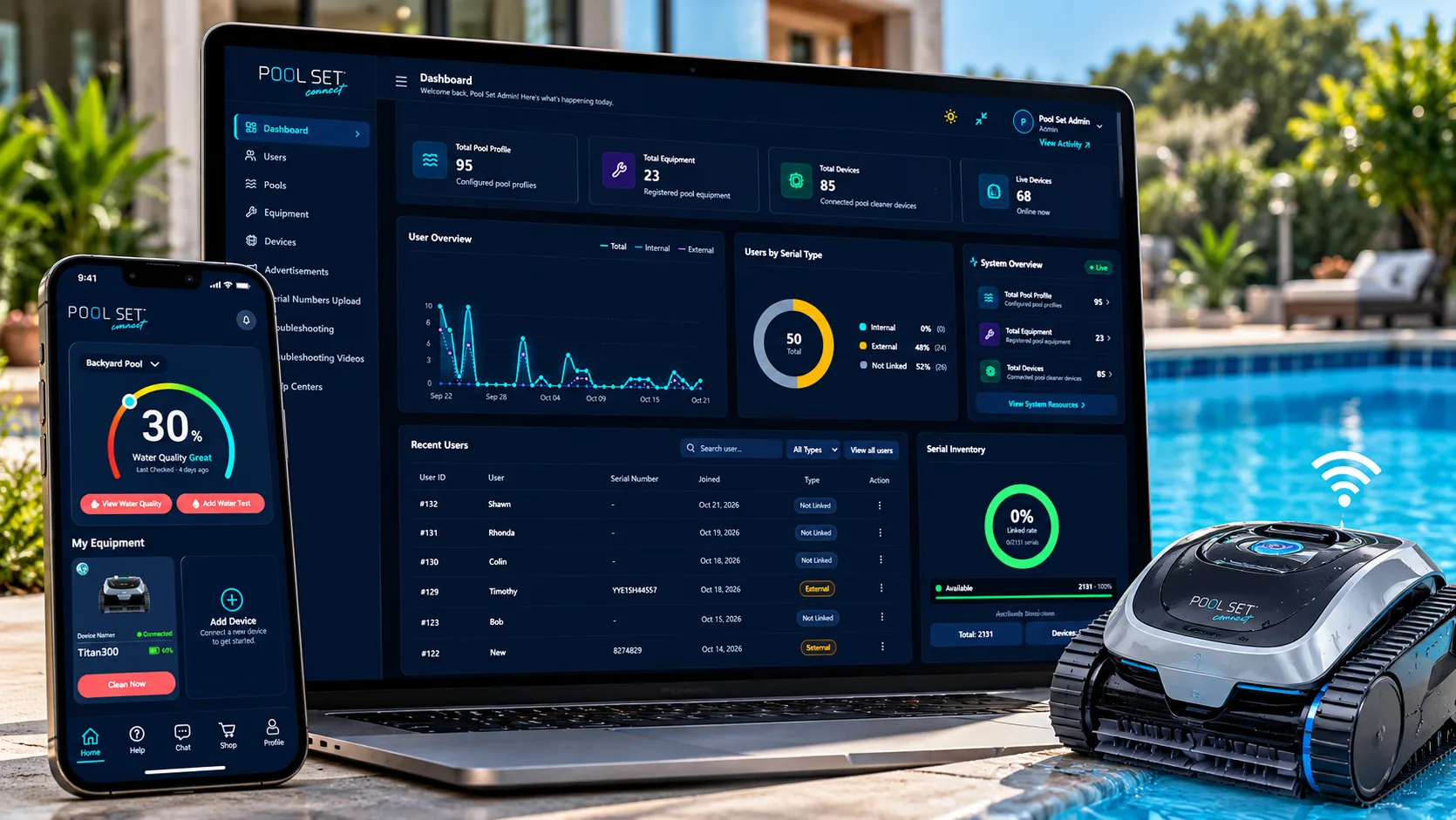
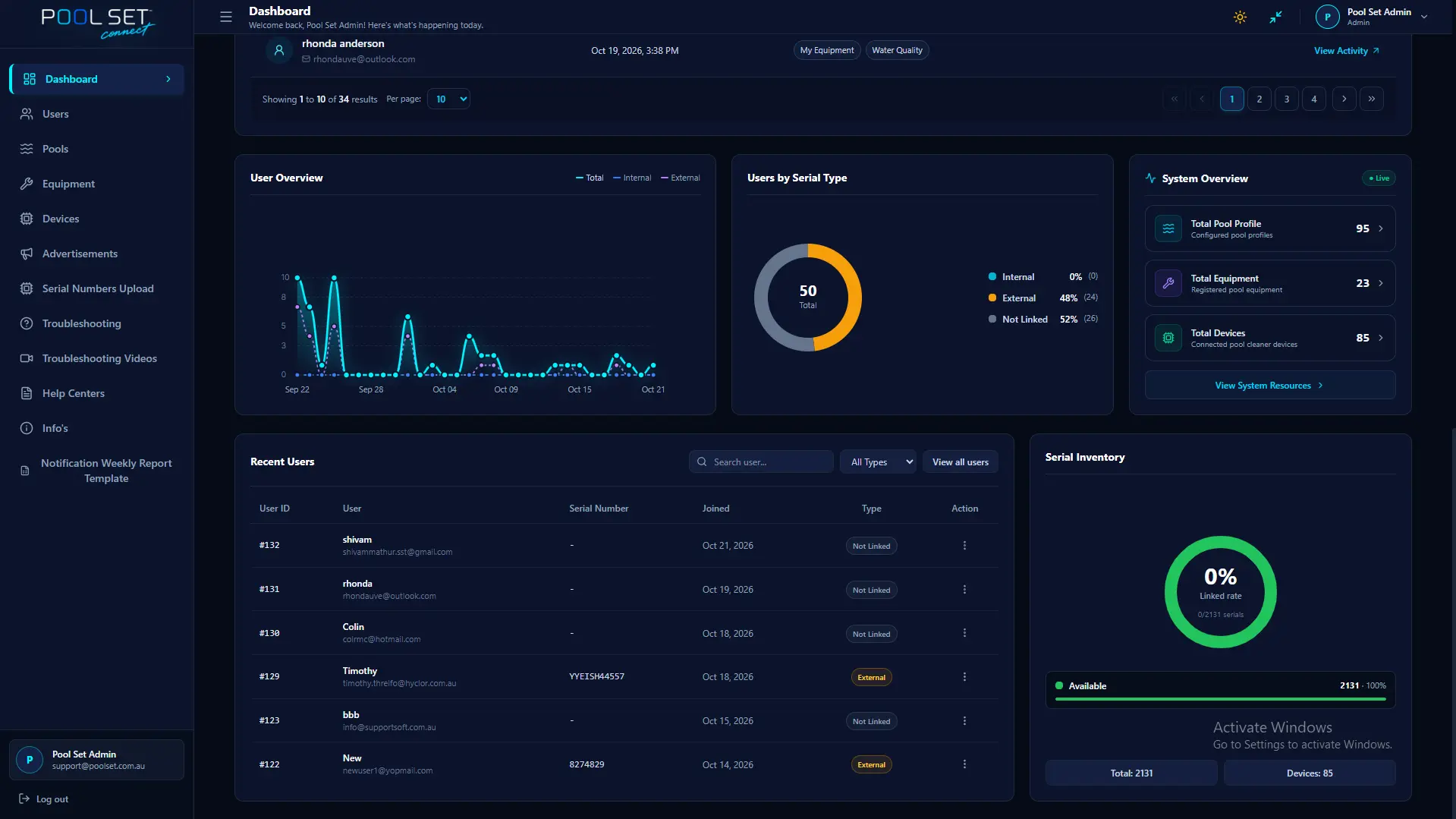
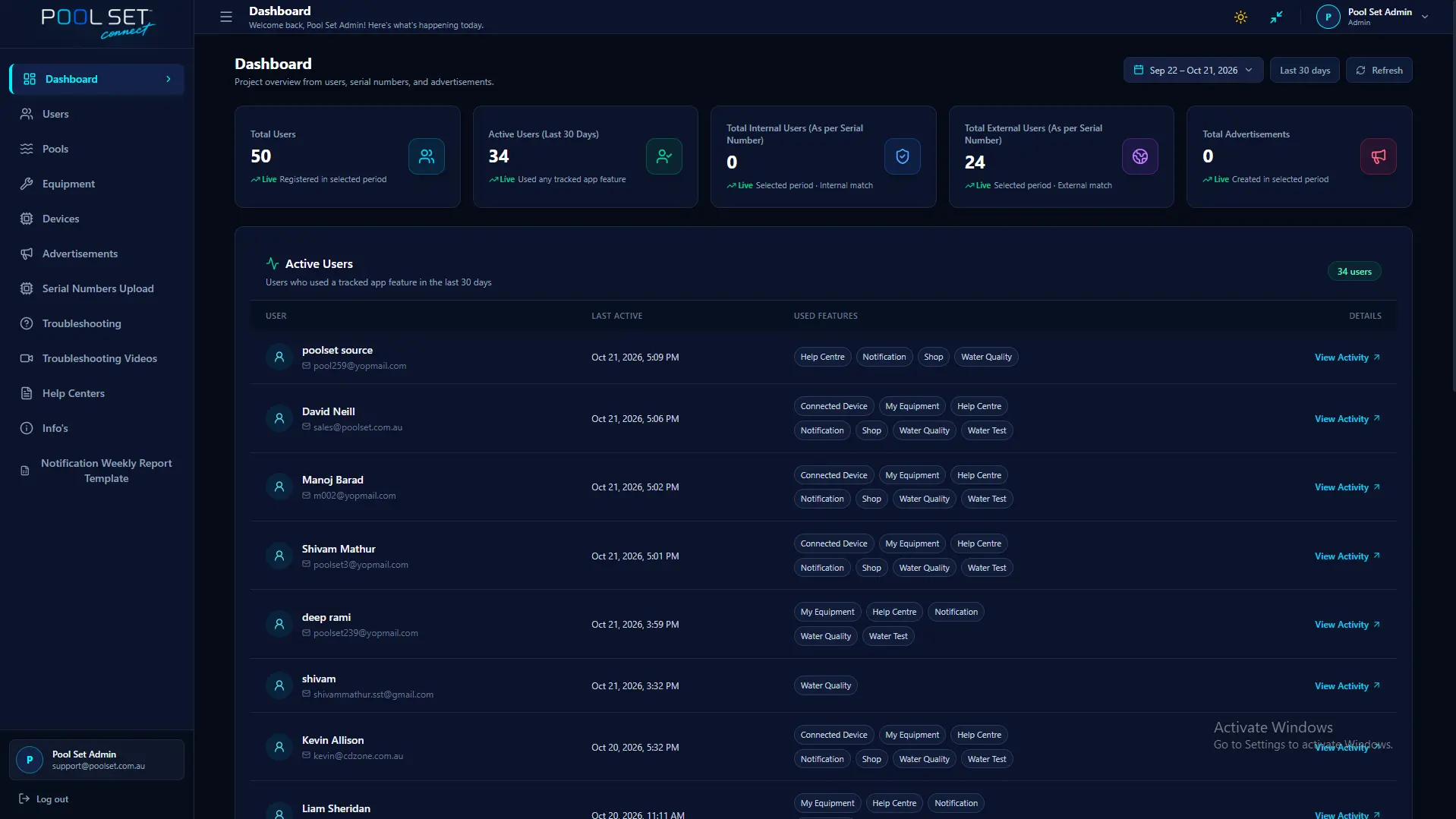
Take control of your pool care with Pool Set Connect. It helps you manage your swimming pool, monitor water quality in real time, connect compatible pool equipment, and keep everyday maintenance automated — all from one smart app.
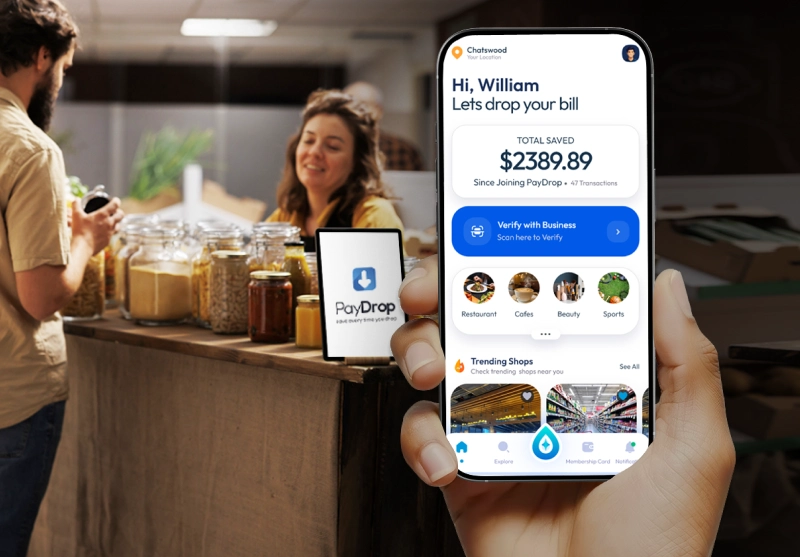
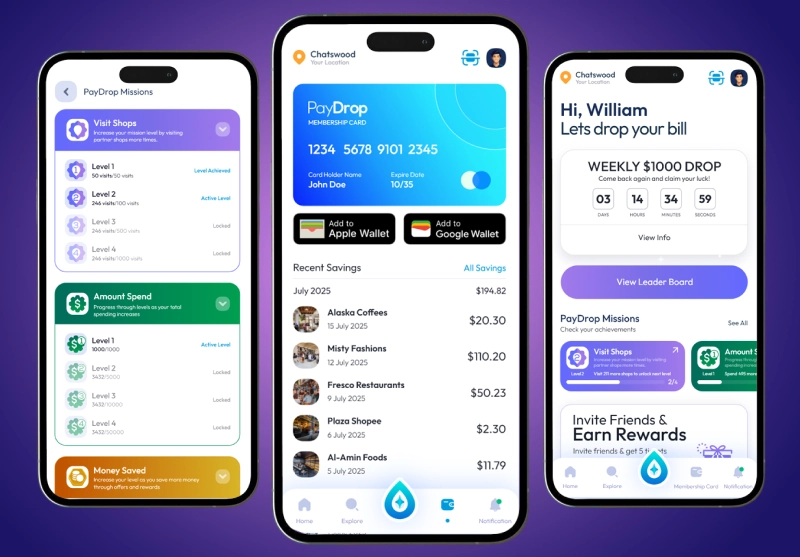
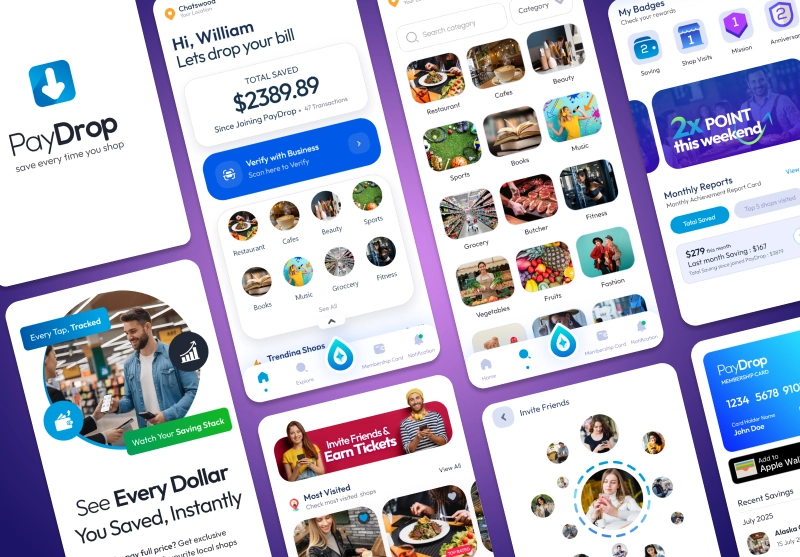
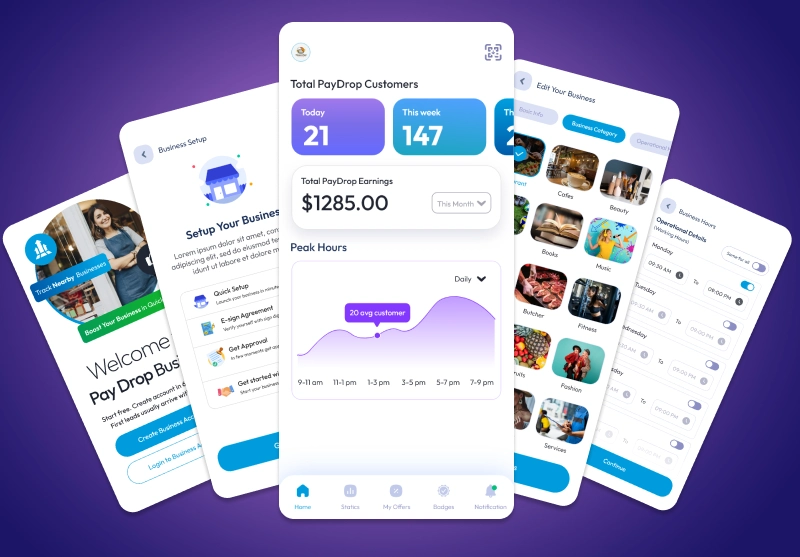
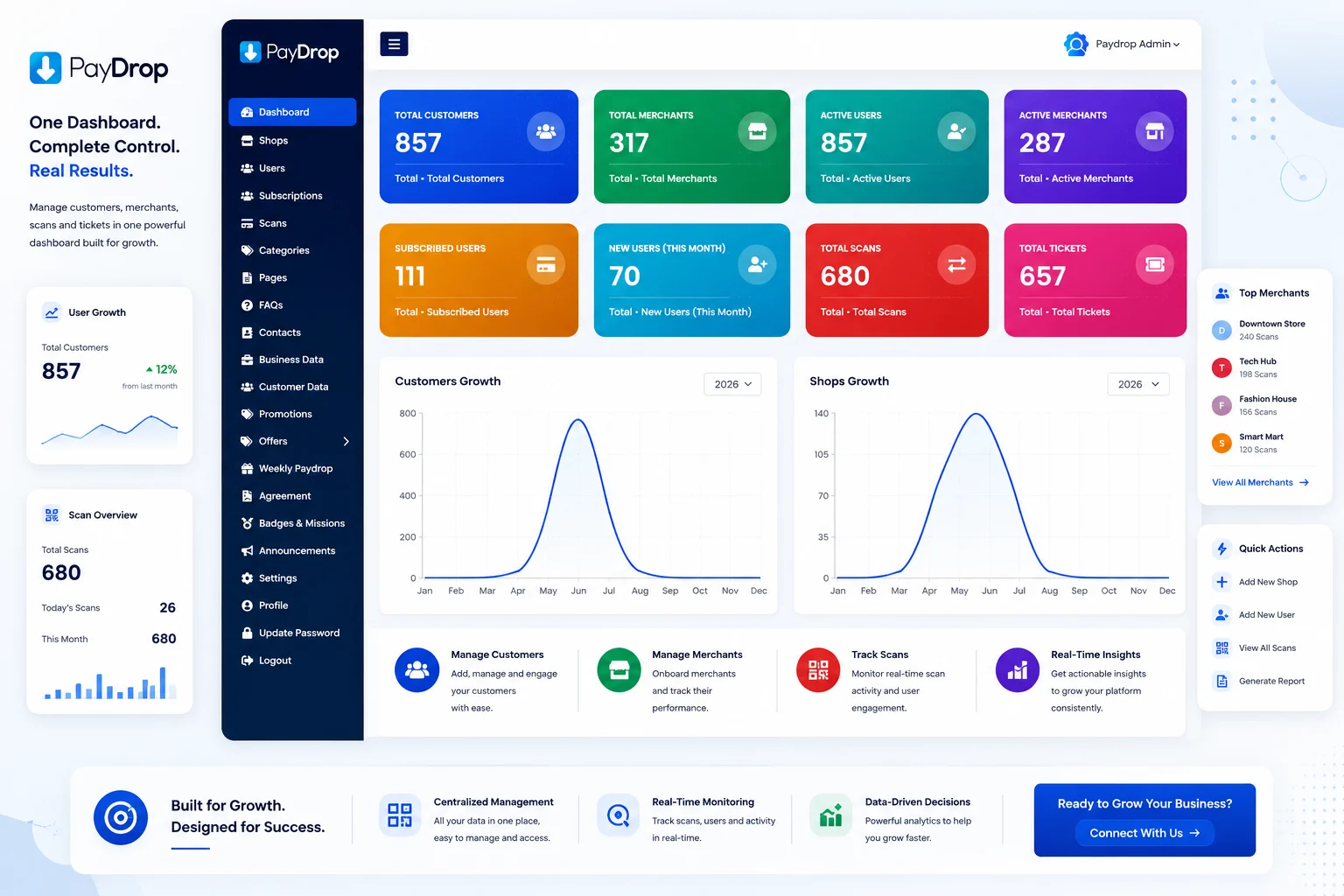
Paydrop is an IoT-enabled smart rewards and deals platform connecting local shoppers with brick-and-mortar merchants through Bluetooth beacons, smart QR terminals, and automated location-triggered drop notifications.
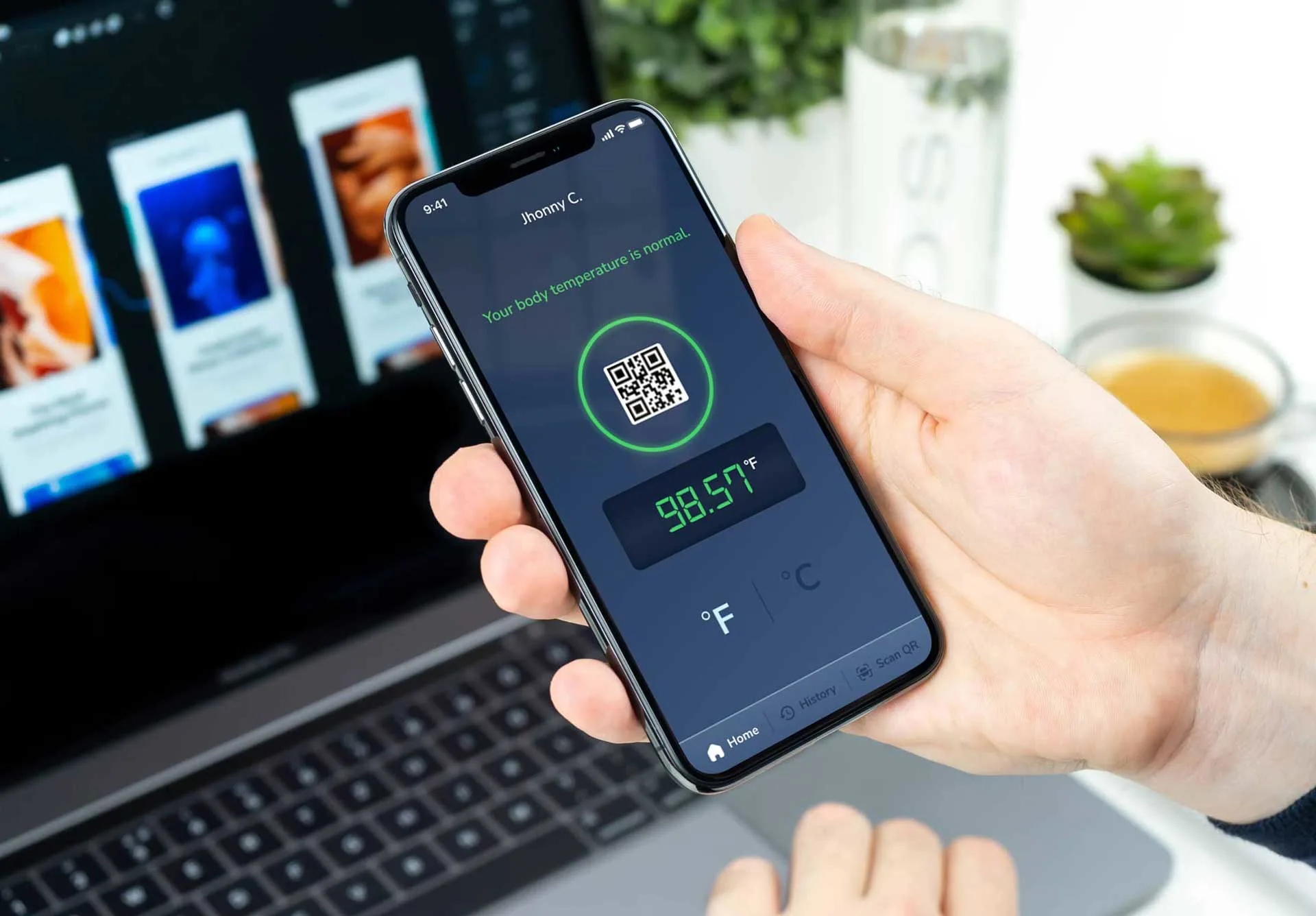
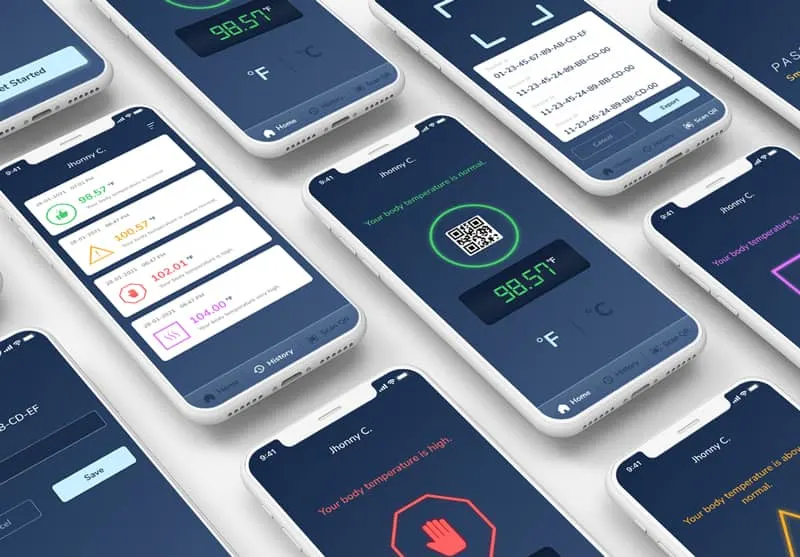
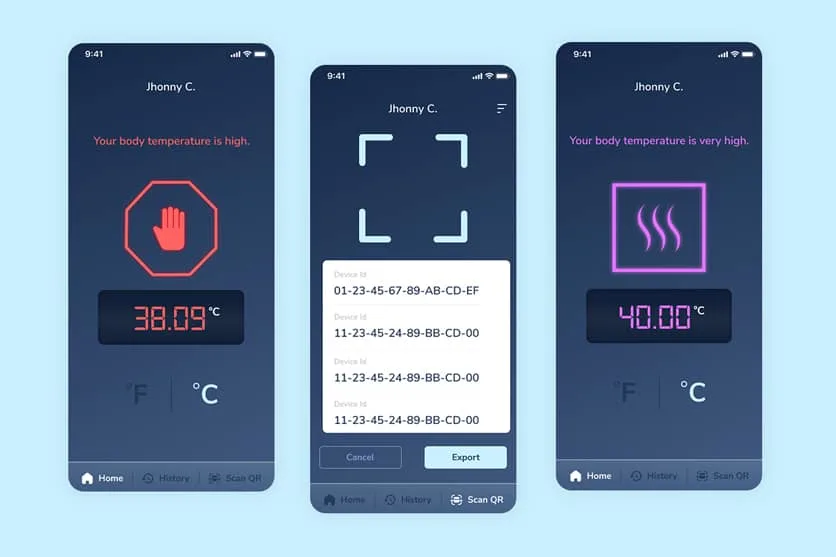
Passpatch is an innovative Bluetooth-enabled smart thermometer app. It connects to IoT body temperature sensors for continuous fever detection, vital sync, and early warning alerts.
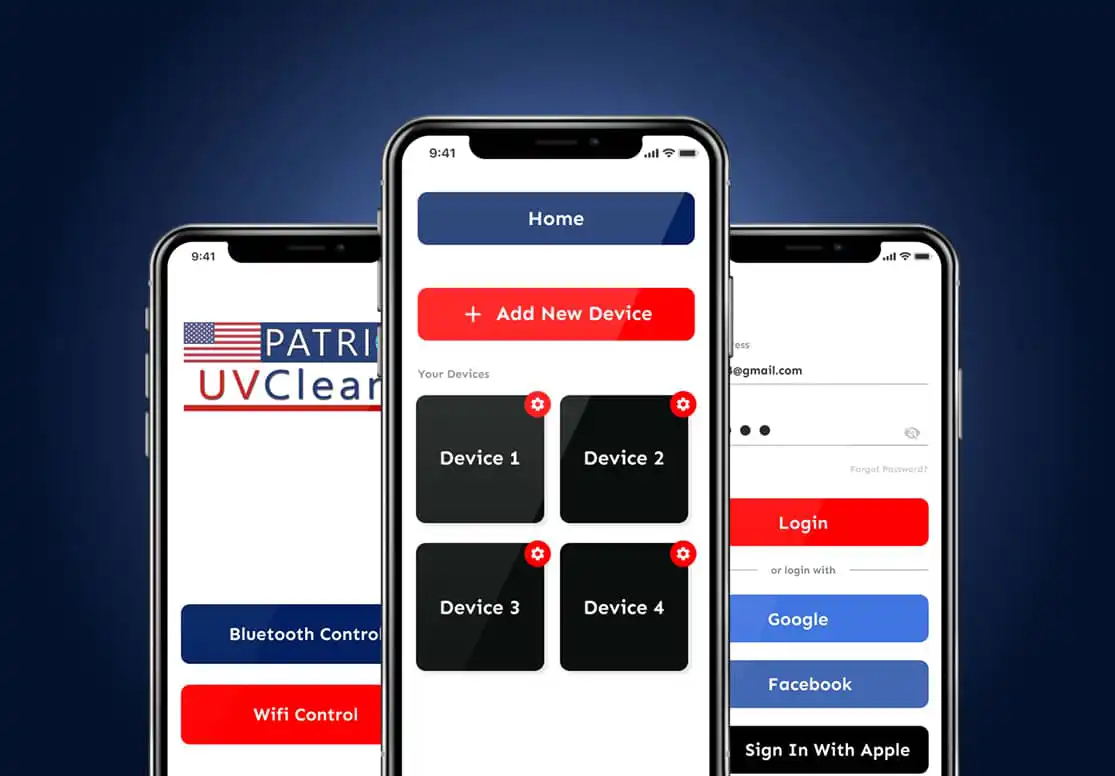
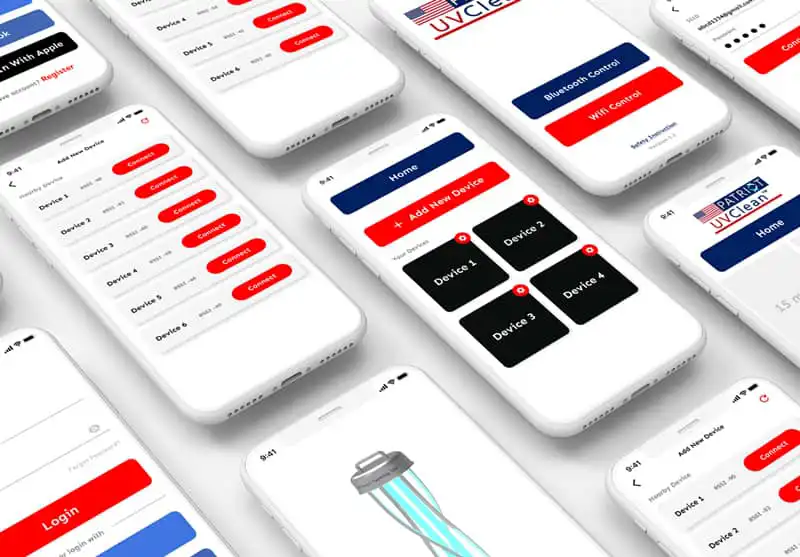
Patriot UVClean is a specialized Bluetooth IoT controller application that operates connected UV sanitization hardware devices to eliminate germs, pathogens, and mould automatically.
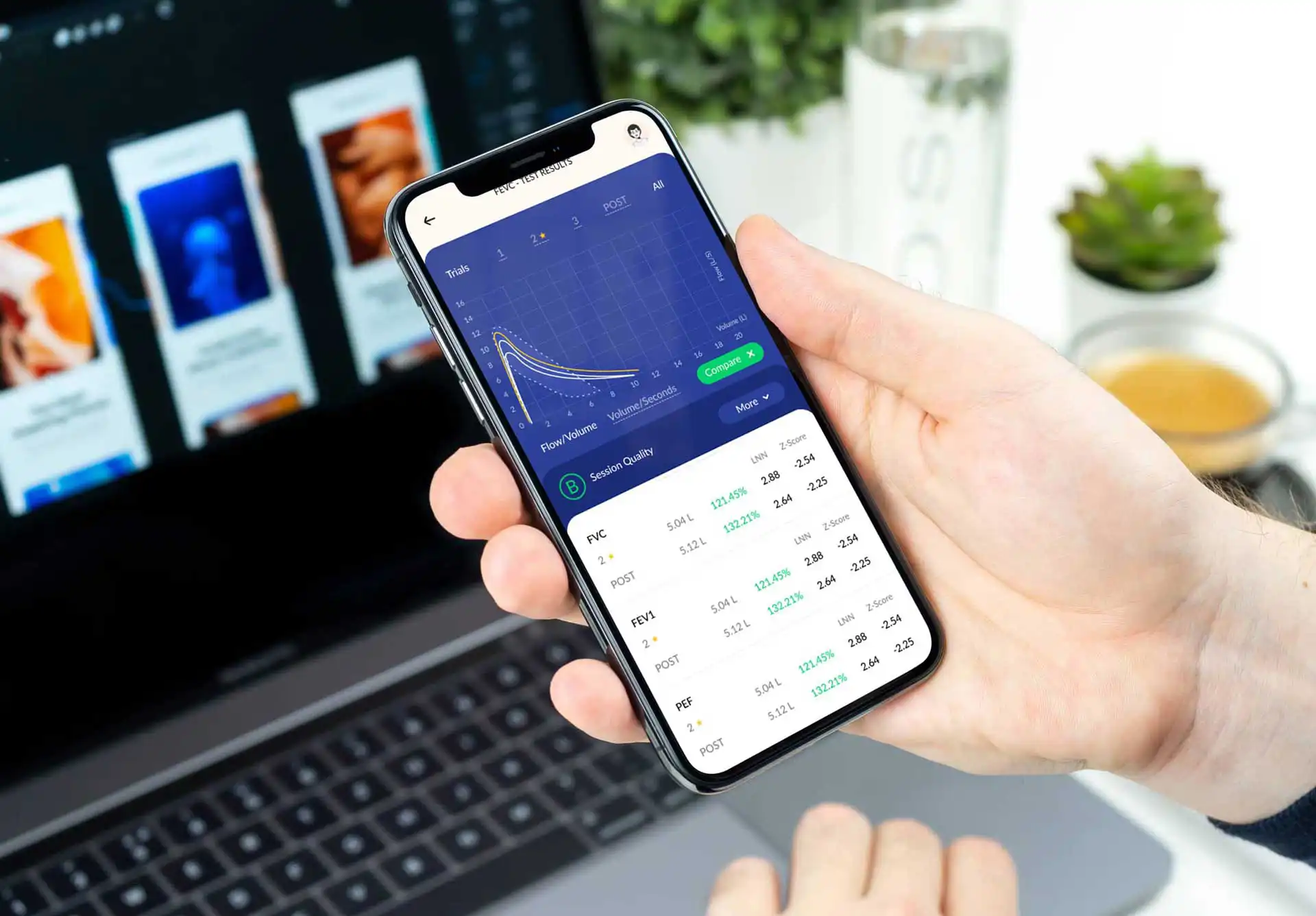
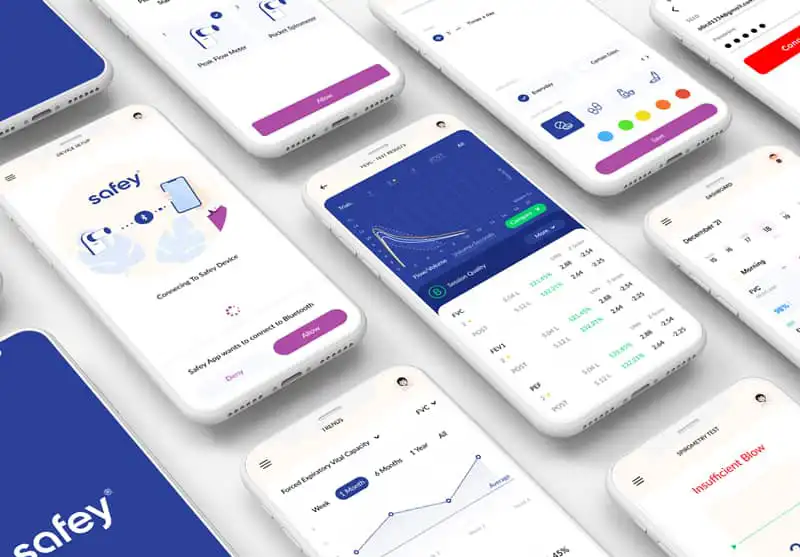
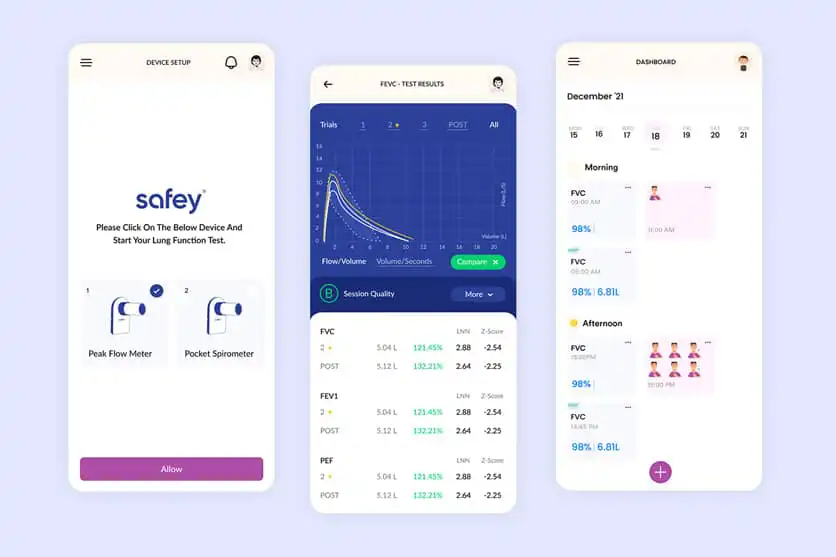
Safey is an IoMT (Internet of Medical Things) spirometry solution. It connects wirelessly to smart peak flow meters to track lung capacity, asthma vitals, and physician diagnostics in real time.
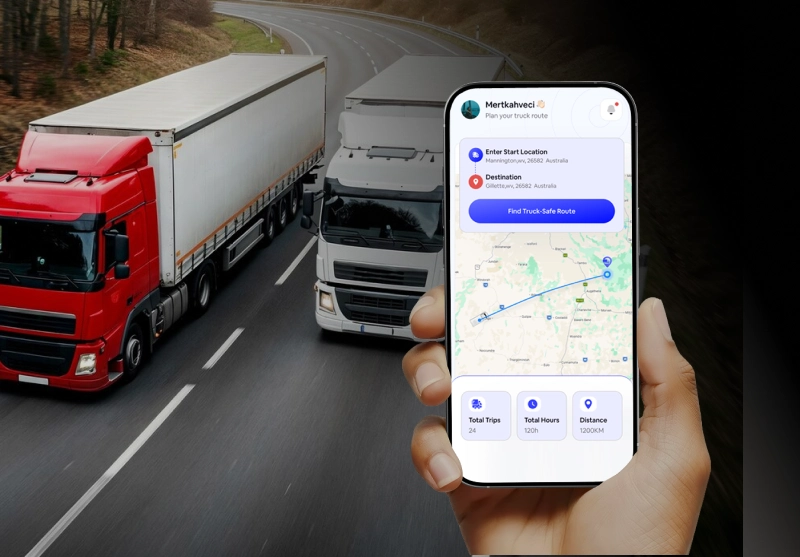
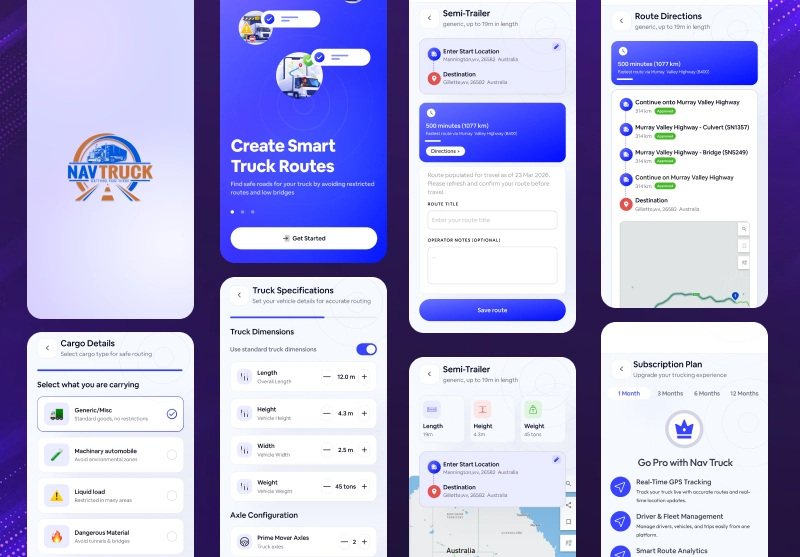
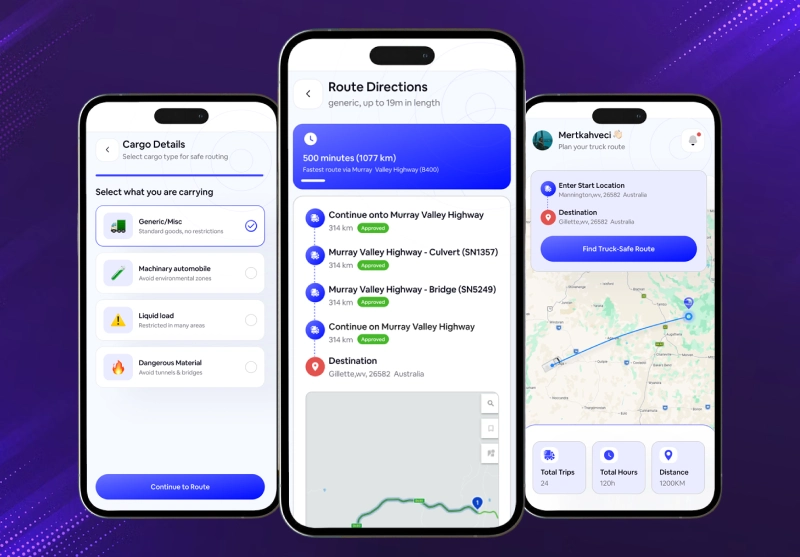
NavTruck is an IoT vehicle telematics and GPS navigation platform built for commercial fleets. It streams real-time vehicle diagnostics, fuel sensors, and driver safety alerts to a cloud dashboard.
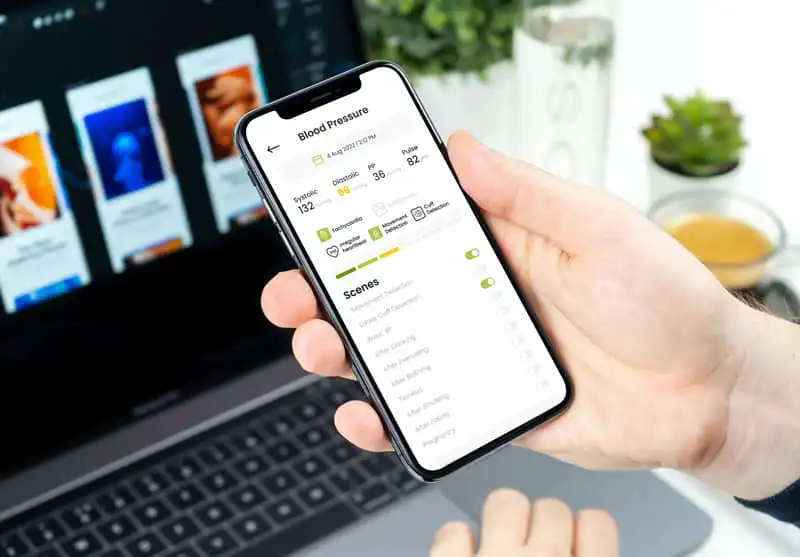
My HealthStyle turns smartphones into connected healthcare hubs that sync with digital blood pressure cuffs and cardiac sensors via IoMT cloud protocol.
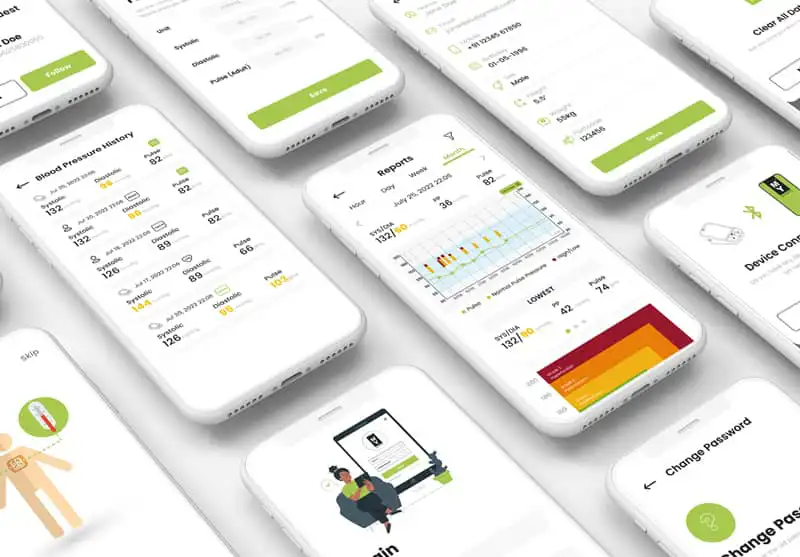
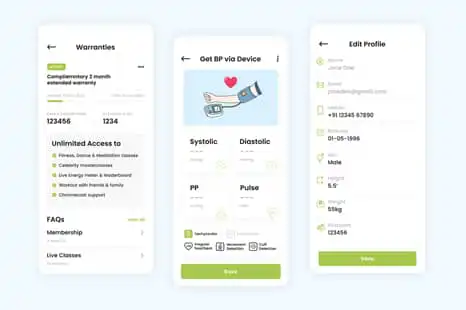
For Sydney businesses that need better visibility into equipment, assets or operating conditions, an IoT monitoring platform can connect sensor data to a central dashboard. It helps teams review readings, monitor device status and receive alerts when configured conditions require attention.
Connected sensors capture readings such as temperature, vibration, location or equipment status.
Compatible devices and gateways send readings to the platform, where the data can be processed and made available to connected applications.
A web or mobile dashboard presents device status, sensor readings and relevant trends in one place.
When a reading crosses a configured threshold, the system can notify authorised users so they can review the issue and decide what action to take.
Example interface showing device status, sensor readings and configured alerts.
Live data ingestion from physical sensors.
Configurable thresholds & anomaly warnings.
Centralised dashboard control & audit logs.
Every IoT project starts with a different business problem, technical environment and set of requirements. Supportsoft works with businesses in Sydney to define the scope, plan the architecture, develop the required software and integrations, and validate the solution before deployment.
We identify the business problem, intended users, device requirements and expected outcomes. This helps establish what the IoT solution needs to do, which existing systems may be involved and whether the proposed approach is technically practical.
We map out the main software components, device interfaces, data flows and integration requirements. Where relevant, planning also considers connectivity options, security, scalability and compatibility with existing equipment.
We develop the agreed components, which may include IoT applications, backend services, dashboards, APIs or device integrations. Prototyping can help validate key assumptions and gather feedback before the solution moves further into development.
We test the solution against its agreed requirements, checking relevant device communications, data handling, application behaviour and system integrations. Testing helps identify compatibility issues and areas that need refinement before deployment.
Once the solution is ready for release, deployment follows the agreed implementation plan. Depending on project scope, the next steps may include monitoring, maintenance, troubleshooting and future improvements as business needs evolve.
From connected-device applications to equipment monitoring and system integration, Supportsoft helps Sydney businesses plan IoT solutions around their operational requirements, existing technology and future needs.
Define the business problem, technical requirements and scope before development begins.
Bring compatible devices, sensor data, applications and business systems together through a considered integration approach.
Make relevant device readings and system information easier to access, review and act on.
Consider maintainability, security, performance and scalability as part of the solution architecture.
Speak with our IoT specialists in Sydney to map out your architecture, hardware, and software requirements.
See what our clients say about working with Supportsoft , from understanding their requirements to delivering software solutions tailored to their business needs.

"I recently had the pleasure to work with support soft technology- app developers. I would happily give them 5 stars. My app is in the disability sector called bloom roster care. It’s a personalised shift rostering system."

“Supportsoft technologies developed the platform for our company, Clubland Services. From the first discussions, Rob and Sandeep were a wealth of information, guiding us on many decisions including design, functionality and layout.”

“I'm genuinely grateful for everyone at Supportsoft Technologies - we've built a foundational working relationship now that is ongoing and I know we will build on what we learned and keep advancing.”

"The Skill level in being able to deliver a complicated health APP. Also, they were good, honest people to work with and very trustworthy"
"We were impressed with their excellent communication. My account manager and project manager are available almost whenever needed. End result looks far better than what I can think of."

"I am the Owner of Schrood food delivery App. These guys are impressively genuine, helpful, and technically skilled"

"I recently had the pleasure to work with support soft technology- app developers. I would happily give them 5 stars. My app is in the disability sector called bloom roster care. It’s a personalised shift rostering system."
“Supportsoft technologies developed the platform for our company, Clubland Services. From the first discussions, Rob and Sandeep were a wealth of information, guiding us on many decisions including design, functionality and layout.”
“I'm genuinely grateful for everyone at Supportsoft Technologies - we've built a foundational working relationship now that is ongoing and I know we will build on what we learned and keep advancing.”
"The Skill level in being able to deliver a complicated health APP. Also, they were good, honest people to work with and very trustworthy"
"We were impressed with their excellent communication. My account manager and project manager are available almost whenever needed. End result looks far better than what I can think of."
"I am the Owner of Schrood food delivery App. These guys are impressively genuine, helpful, and technically skilled"
Let’s discuss your connected-device requirements and plan the right solution for your business.
Tell us what you're trying to achieve. We'll help you define the right technology, scope the opportunity, and determine the best next step.

Share your requirements, discuss your options with our team, and understand the next steps for your project.
Share your goals, challenges, timeline, and what you're looking to build.
We'll discuss your requirements and ask the right questions.
We'll identify the technology, scope, and potential next steps.
No pressure. Just practical recommendations based on your business.
Share a few details so we can understand what you're looking for.
Find below the detailed answers to the most frequently asked questions concerning IoT Development in Sydney.
An IoT development company can help businesses connect physical devices, sensors and equipment to software that collects data, displays information and supports operational decisions. Depending on your requirements, this can include connected-device applications, remote monitoring dashboards, wireless sensor integrations, automated alerts and backend systems. Supportsoft can assess your project requirements and recommend an appropriate software and integration approach.
Yes, a mobile application can communicate with a compatible Bluetooth device to display readings, show device status or control supported functions. The implementation depends on the device's Bluetooth capabilities, communication protocol and compatibility with iOS or Android. For a connected-device project, the first step is to confirm how the hardware exchanges data and what the app needs to do.
Bluetooth is used for short-range wireless communication, while Bluetooth Low Energy (BLE) is designed to reduce power consumption for supported use cases. BLE is commonly used by battery-powered sensors, wearables and smart-device accessories that exchange relatively small amounts of data. The right option depends on the device, battery requirements, data frequency and communication needs.
Yes, remote equipment monitoring allows a business to view selected machine readings and operating conditions through a dashboard or compatible application. Sensors or existing equipment interfaces collect data, which is transmitted to a suitable software platform. Depending on the system, users can review equipment status, identify unusual readings and receive alerts without manually checking every machine.
Yes, an IoT monitoring application can be configured to trigger alerts when a reading crosses a defined threshold or a device reports a particular condition. For example, a system might notify an authorised user when temperature rises above a limit or equipment stops reporting data. Alert rules should reflect the equipment, acceptable operating ranges and the actions users need to take.
In many cases, existing equipment can be connected to a monitoring system, but feasibility depends on its available interfaces, data protocols, controller capabilities and operating environment. The solution may require compatible sensors, an industrial gateway, controller integration or changes to the existing setup. A technical assessment helps determine what information can be collected and whether additional hardware or firmware work is required.
Connected-device software can collect readings from compatible wireless sensors, process the data and present useful information through a web or mobile interface. Depending on the project, the system may support device status, historical readings, threshold alerts and integration with other business software. The choice of wireless technology depends on range, power consumption, data volume, network availability and installation conditions.
A mobile app can control a compatible smart device when the hardware and communication system expose the necessary control functions. Depending on the design, this may involve Bluetooth for nearby interactions or Wi-Fi and an internet-connected backend for supported remote access. Device compatibility, authentication, safety requirements and connection reliability should be considered before deciding how the control experience will work.
Yes, an IoT dashboard can consolidate data from multiple compatible devices into one interface. Depending on the system, users can view device status, sensor readings, historical trends, alerts and selected operational metrics. For businesses managing equipment across different locations, a central dashboard can make it easier to identify issues and understand what requires attention.
An IoT application may integrate with existing business systems through suitable APIs, web services, databases or supported messaging interfaces. This can allow device data to support existing operational workflows, reporting tools or business applications. The integration approach depends on the systems involved, data formats, access permissions and the reliability and security requirements of the project.
An IoT system can help identify warning signs by collecting equipment readings and highlighting changes in operating conditions. More advanced predictive maintenance solutions may analyse historical and real-time data to estimate potential failures, but their effectiveness depends on sensor quality, suitable data and a validated analytical approach. Monitoring can support maintenance decisions, but it cannot guarantee that every failure will be predicted.
Not always. Some projects can use existing equipment, compatible sensors, off-the-shelf gateways or devices that already support the required communication protocols. Other projects may need custom electronics, embedded software or firmware changes. The best approach is to assess the product requirements and available hardware before deciding whether custom hardware development is necessary.
The cost of IoT development in Sydney depends on the number and type of devices, connectivity requirements, application features, backend infrastructure, integrations, security needs and testing effort. A simple monitoring dashboard connected to an existing device may require a different level of work from a complete connected product involving custom hardware and firmware. A requirements assessment can help establish the project scope and provide a more meaningful estimate.
The development timeline depends on the project's complexity, hardware readiness, communication protocols, software features and integration requirements. A focused proof of concept may take considerably less time than a production-ready platform that needs extensive device testing, security controls and operational validation. Defining the initial use case and testing the highest-risk technical assumptions early can help establish a realistic delivery plan.
Look for an IoT development partner that understands your business problem, device requirements, connectivity options, software integrations and ongoing maintenance needs. Ask how the team will assess technical feasibility, test communication with real devices, protect data and handle future changes. Before selecting a provider, clarify the project scope, deliverables, responsibilities and whether specialist hardware or firmware expertise is required.